The United Kingdom has announced a ban on social media use for children under 16, marking one of its most significant online safety interventions to date. Prime Minister Keir Starmer said the government will introduce regulations aimed at restricting under-16s from accessing certain social media platforms, while also tightening protections for children and teenagers across other online services.
UK Social Media Ban for Under-16s
The UK government’s fact sheet says it will introduce new rules to protect children online, including a ban on social media for under-16s. The first regulations are expected before the end of 2026, with implementation planned for spring 2027. The policy is part of a broader online safety agenda designed to reduce harmful exposure, improve children’s wellbeing, and limit risky online experiences.
Importantly, the government has not presented this as a blanket ban on children using the internet. Under-16s will still be able to access the internet for education, news, gaming, messaging and other age-appropriate activities, but certain social media platforms will be restricted. The measures are being framed as child-safety rules rather than a general internet shutdown.
Which Platforms Are Covered
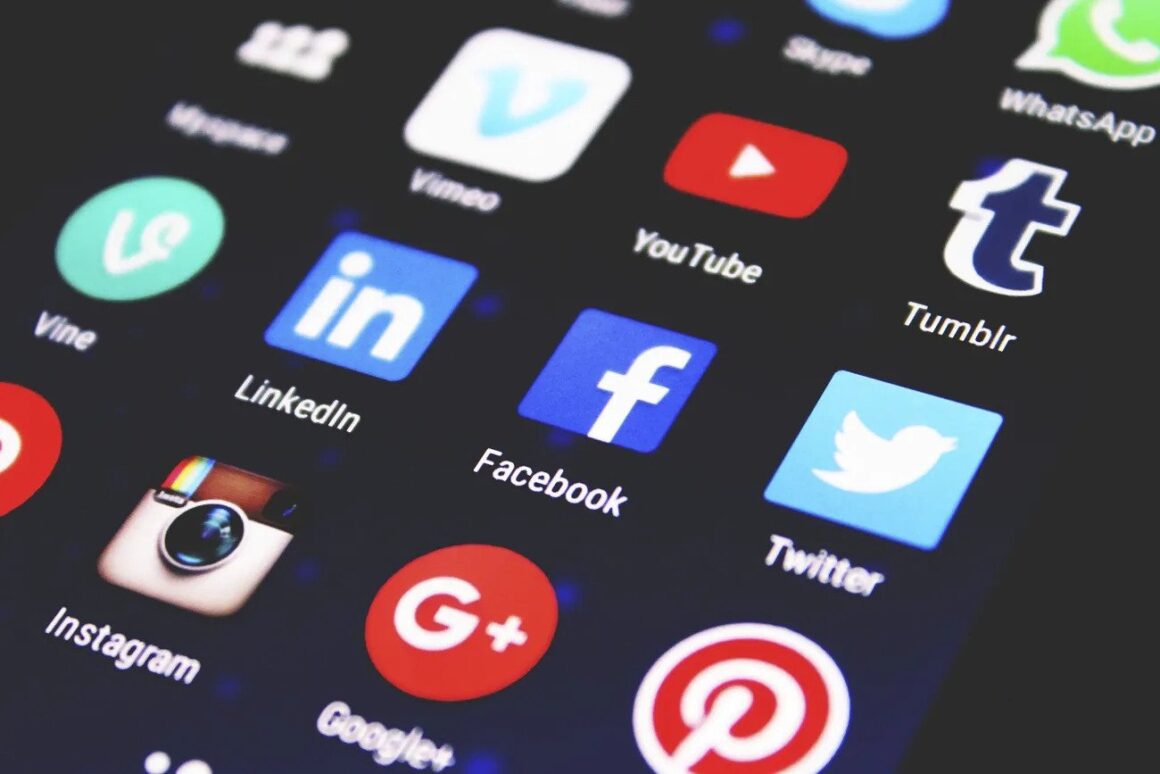
Reporting suggests the ban is expected to affect major social media platforms such as Instagram, TikTok, Snapchat, Facebook, YouTube and X, though the exact list will depend on the final regulations and how platforms are classified. The government’s official fact sheet focuses on “social media” as a category rather than spelling out every platform in the core policy text. That means the final legal definition will matter a great deal for enforcement and compliance.
The policy is also expected to reach beyond conventional social media. The government has said that under-18 restrictions will also apply to certain high-risk features on other online services, including livestreaming and contact from strangers. This makes the proposal broader than a simple age gate on social apps alone.
Age Verification Rules
A key part of the proposal is stronger age assurance. The government says platforms will need to use more robust systems to check users’ ages, and Ofcom is expected to play a major role in defining what counts as reliable age verification. This is important because the ban will only work if platforms can prevent children from easily bypassing age checks.
The practical challenge is enforcement. Several reports note that the real test will be whether platforms can stop under-16s from using fake ages, workarounds, or alternative accounts. That is why the debate is not just about whether the law exists, but whether the technical system behind it can actually be implemented at scale.
Why The Ban Now
The government says the move responds to growing concern about the effects of social media on children’s mental health and safety. The policy follows a public consultation held earlier in 2026, and ministers have said the response from parents and young people strongly supported stronger protection for minors online. The political message is clear: the government wants to reduce the power of platforms that are seen as addictive and harmful for children.
The UK’s proposal also fits into a wider international shift. Australia has already moved ahead with strict under-16 social media rules, and the British approach appears to be influenced by that model while adding some broader restrictions of its own. In that sense, the UK is joining a growing group of countries that are treating youth social media use as a public-policy issue rather than a private family choice.
Support And Criticism
The announcement has received support from some public figures, parents and child-safety advocates who believe action has been too slow for too long. Celebrity reactions and online discussion have also amplified the policy, showing that the issue has become part of a broader cultural debate about childhood, phones and digital dependency. For supporters, the ban is a necessary reset.
Critics, however, argue that a blanket ban may be hard to enforce and could push younger users toward less safe corners of the internet. Others say the government should focus more on design changes, platform accountability and targeted protections rather than age-based exclusion alone. Those concerns are likely to shape the legal and political debate as the regulations are drafted.
What Happens Next
The government says the first regulations will be introduced before the end of 2026, with implementation expected in spring 2027. Ofcom is expected to publish further detail on compliance and age-assurance standards as the policy is developed. For now, the message to families is that no immediate action is required, but the rules are moving forward.
If implemented as planned, the UK’s measure would become one of the strongest age-based social media restrictions in the world. It would also deepen the global debate over how much responsibility governments should take for protecting children online, and how far platforms can be forced to redesign their services for younger users.