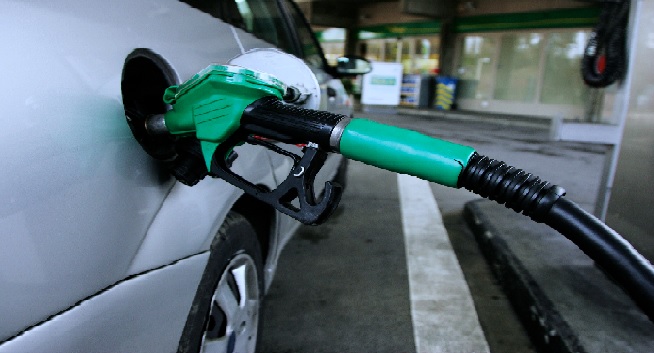
Petrol and diesel prices have climbed once more across India, marking the second upward revision in less than a week and reviving concern that the government could be returning to a 2022‑style pattern of small, frequent fuel hikes rather than a single, one‑off increase. The latest move, which adds about 90 paise per litre to already elevated pump prices, comes amid persistent volatility in global crude oil markets and the ongoing conflict in West Asia.
What the latest hike entails
Public‑sector oil marketing companies—Indian Oil Corporation, Bharat Petroleum, and Hindustan Petroleum—raised retail petrol and diesel prices by around 90 paise per litre on May 19, 2026, just days after a Rs 3‑per‑litre increase implemented on May 15. This means consumers are now dealing with two rapid rounds of price hikes in quick succession, which has revived talk of a “90‑paise formula” similar to the frequent revisions seen in 2022.
In New Delhi, petrol rose from Rs 97.77 to Rs 98.64 per litre, while diesel climbed from Rs 90.67 to Rs 91.58 per litre, an increase of about 87 paise and 91 paise respectively. In Mumbai, petrol now stands at Rs 107.59 per litre (up 91 paise), and diesel at Rs 94.08 per litre (up 94 paise).
Impact across major cities
All four major metros have seen fresh increases, though the exact rise varies by location and taxation.
-
Kolkata recorded the steepest petrol hike of 96 paise, pushing the price to Rs 109.70 per litre, while diesel climbed by 94 paise to Rs 96.07 per litre.
-
Chennai petrol increased by 82 paise to Rs 104.46 per litre, and diesel by 86 paise to Rs 96.11 per litre.
-
Other cities like Bengaluru, Hyderabad, Jaipur, and Patna also saw petrol prices move upwards by roughly 80–95 paise per litre, reflecting the nationwide pass‑through of higher input costs.
These repeated hikes are particularly noticeable because they follow a period of relative price stability since April 2022, when the government had largely kept fuel prices unchanged except for a small, election‑related cut in 2024.
Why prices are moving up again
The main driver behind the revision is the sharp rise in global crude oil prices linked to the ongoing conflict in West Asia. Reports noted that crude oil prices have jumped by around $41.72 per barrel since the start of February 2026, an increase of over 60 per cent, which has forced domestic refiners to pass on at least some of that cost to consumers.
State‑run oil marketing companies argue that, even after the hikes, pump prices are still below the level that would fully reflect global crude‑oil inflation, suggesting India has absorbed a substantial share of the increase. However, the back‑to‑back hikes have eroded the sense of price stability that many households had started to rely on over the past few years.
Is the 2022 ‘90‑paise formula’ returning?
The 2022‑style “90‑paise hike pattern” refers to the way fuel prices were adjusted in small, frequent steps rather than through a single large hike. That approach, while less jarring than a one‑time jump, had the effect of keeping fuel costs on an upward slope for months and amplifying the sense of inflation for daily commuters and small‑business owners.
Analysts now say the fresh 90‑paise‑style revisions are reviving fears that the government might be slipping back into that pattern, especially if crude prices remain elevated and the geopolitical situation in the Middle East does not calm down. The fact that these hikes are being implemented in quick succession, after a long period of stability, is what is particularly worrying for inflation‑conscious policymakers and voters.
Government and expert responses
India’s oil secretary and other officials have publicly stressed that fuel inventories are sufficient, with the country holding roughly 60 days of fuel stocks and about 45 days of LPG supplies, and have said there is no need for panic or rationing. At the same time, they have hedged on whether further hikes are inevitable, telling industry and the public that the government cannot commit to freezing prices when global crude is still volatile.
Experts warn that repeated small hikes, even if modest individually, can have a cumulative impact on inflation and transport costs. For families, this translates into higher fuel‑bills for cars and two‑wheelers, and for businesses into increased costs for logistics and deliveries, which may eventually feed into the prices of goods and services.
Broader policy and economic implications
The timing of the hikes is politically sensitive, coming after several years of relatively stable fuel prices and against a backdrop of elections and household‑budget anxiety. The central government is trying to balance the need to keep fiscal pressure under control with the reality of sharply rising global energy costs, and repeated small hikes are a way to stagger the adjustment rather than shock the system with a single, front‑loaded increase.
However, that approach risks being perceived as delayed but cumulative taxation, especially if consumers see the price creep upward over several weeks. The 2022 episode showed that, while frequent 90‑paise‑style revisions may be less politically explosive than one big jump, they can still generate significant public discontent over time.
Outlook and what consumers can expect
For now, the message from the government and oil companies is that hikes are based primarily on global crude‑oil levels and duties, not on a predetermined formula. If the situation in the Middle East stabilises and crude prices moderate, the pace of revisions may slow down.
If, instead, volatility persists, the pattern of small, frequent hikes could indeed echo the 2022‑style adjustments, albeit under a different political and economic context. For the public, the immediate consequence is clear: petrol and diesel have become more expensive again, and the era of flat‑lined fuel prices appears to be over—at least for the time being.