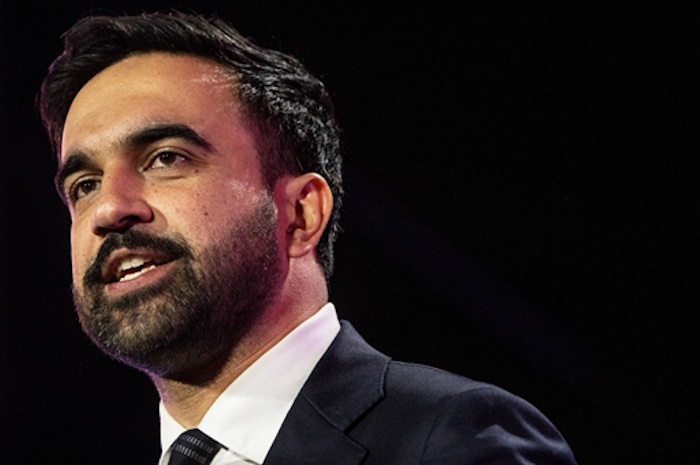
New York City has moved to make cancelling subscriptions as easy as signing up for them. Mayor Zohran Mamdani announced a new “click-to-cancel” rule that would require businesses to let consumers end subscriptions and recurring services through the same simple method they used to enroll, marking a major local consumer-protection step aimed at subscription traps and hidden cancellation barriers.
What the NYC Click-to-Cancel Rule Requires
Under the city’s policy, businesses offering automatic renewals, recurring subscriptions or continuous service plans would be required to provide a cancellation process that is direct, accessible and free of unnecessary friction. The rule also calls for clearer disclosure of renewal terms and cancellation procedures, so consumers are not blindsided by the fine print after they have already signed up.
Why Subscription Cancellation Rules Matter
The rule is designed to tackle one of the most frustrating features of the digital economy: services that are quick to join but difficult to leave. From streaming platforms and telecom plans to gyms and app-based memberships, consumers are often funnelled into sign-up flows that are smooth and convenient, only to face long phone calls, repeated confirmations or layered obstacles when they try to cancel.
How NYC’s Rule Follows the FTC Click-to-Cancel Fight
New York’s move comes after a broader federal fight over the FTC’s own click-to-cancel rule, which sought to create a similar standard nationwide before it was struck down on procedural grounds by an appellate court. That defeat left consumer advocates looking for other ways to curb subscription traps, and New York City has now stepped into that space with a local rule that could have outsized influence.
What the Rule Means for Subscription Businesses
For businesses, the rule could require a serious review of how subscription flows are built. Companies that rely on recurring payments may need to redesign their account pages, customer-service pathways and retention systems to ensure compliance. That could be especially important for media companies, telecom providers, fitness services and app-based subscriptions.
Consumer Protection and Dark Patterns
The move also speaks to a broader legal trend: regulators are increasingly focusing on dark patterns, misleading design choices and cancellation friction. The issue is no longer just whether a subscription is fairly priced, but whether the consumer is able to escape it without being pushed through a maze. New York City’s rule reflects a growing belief that consumers should not have to fight their way out of a service they no longer want.
Why NYC’s Subscription Rule Could Set a Model
If the policy holds, it may also become a model for other cities and states looking to act where federal action has stalled. Consumer-rights advocates have long argued that local governments can play a meaningful role in policing subscription abuse, especially when national rules are delayed or challenged in court. New York’s decision could therefore become an important test case for how far local governments can go in reshaping the subscription economy.
What Happens Next
For now, the city’s message is simple: if it is easy to sign up, it must be easy to cancel. That principle may sound basic, but in today’s digital marketplace, it represents a significant shift in consumer rights and corporate accountability. As subscription-based business models continue to expand, New York City’s click-to-cancel rule could become one of the year’s most consequential consumer-protection developments.