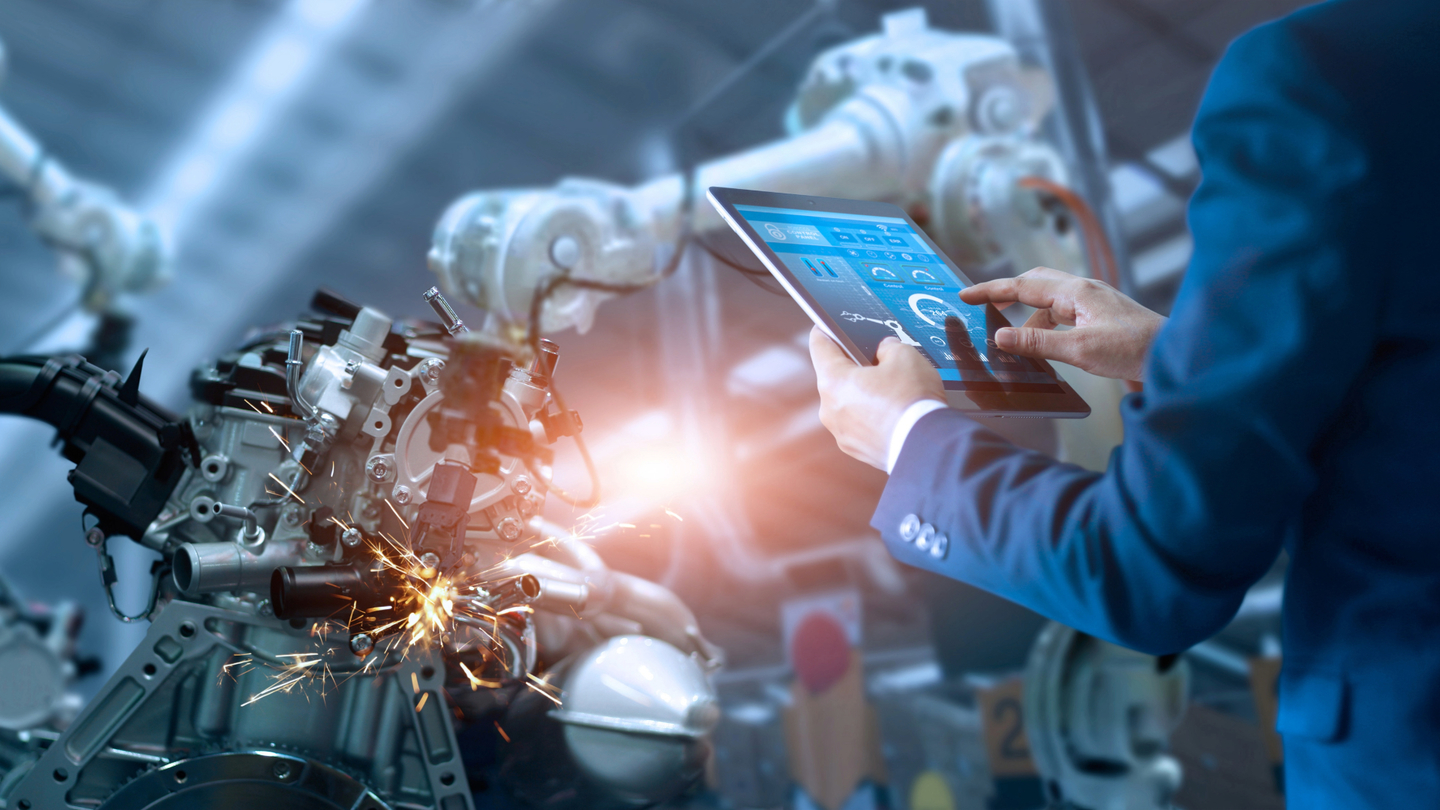
AI robotics has transitioned from science fiction to industrial reality, powering everything from precision surgery to warehouse automation. These intelligent machines combine artificial intelligence with physical systems to perceive, learn, and act in complex environments. As autonomous systems proliferate across sectors, they promise unprecedented efficiency—but also raise profound questions about jobs, ethics, and human-robot coexistence.
The Rise of Intelligent Machines: From Sci-Fi to Factory Floors
Consider Boston Dynamics’ Atlas robot performing parkour or Figure AI’s humanoid executing warehouse tasks. These aren’t scripted automatons; they’re AI-powered systems learning through trial and error. The global robotics market reached $21 billion in 2025, with AI integration driving 35% compound annual growth through 2030.
Unlike industrial robots executing repetitive welds, AI robotics handles unstructured environments. Amazon’s Proteus navigates dynamic warehouses, avoiding humans; Intuitive Surgical’s da Vinci performs 10 million surgeries annually with sub-millimetre precision. This shift from programmed repetition to adaptive intelligence marks AI robotics’ defining breakthrough.
What Exactly is AI Robotics? The AI + Physical Systems Fusion
AI robotics integrates three core capabilities:
-
Perception: Sensors (LiDAR, cameras, radar) feed environmental data
-
Cognition: Machine learning processes data, makes decisions
-
Action: Motors execute movements with real-time feedback
Take Waymo’s autonomous vehicles: 50+ sensors generate 40TB data/hour, processed by neural networks predicting pedestrian intent 11 seconds ahead. Traditional robotics followed fixed paths; AI robotics navigates chaos through reinforcement learning and ** imitation learning** from human demonstrations.
This fusion creates general-purpose robots adaptable across domains. Tesla’s Optimus learns household chores by watching videos; Sanctuary AI’s Phoenix masters factory tasks in hours, not weeks.
From Manufacturing to Healthcare: Transformative Applications
Manufacturing Revolution
Foxconn deploys 300,000+ robots, cutting iPhone assembly time 30%; Germany’s Industry 4.0 integrates 2.5M robots with digital twins predicting failures before occurrence. Collaborative robots (cobots) work alongside humans—Universal Robots’ UR5 handles 5kg payloads at 1m/s sharing workspaces safely.
Healthcare Precision
da Vinci Surgical System: 14M+ procedures, 99.7% precision vs human surgeons’ 95%; Moxi nurse robots deliver medications, reducing nurse walking 60%; Exo Bionics exoskeletons restore mobility for 250K+ paralysis patients annually.
Logistics & Warehousing
Amazon Kiva: 750K robots move 30B packages/year; Ocado’s Swarm orchestrates 1,000 robots picking 65K items/hour; Starship Technologies delivers 4M+ meals autonomously across 100 cities.
Agriculture 4.0
John Deere See & Spray eliminates 77% herbicide usage; Agtonomy autonomous tractors boost yields 15%; Tevel drones harvest apples 30% faster than humans.
Extreme Environments
NASA’s Perseverance rover analyses Mars soil; OceanOneK dives 3km exploring shipwrecks; ANYmal inspects Fukushima reactors where humans can’t enter.
Under the Hood: Technologies Powering AI Robotics
Machine Learning Architectures
Reinforcement Learning (RL): DeepMind’s MuZero masters games without rules; robotics RL trains policies through simulated failures (1M virtual hours = 1 real hour).
Transformers: GPT architectures now control robot arms—RT-2 processes language commands like “pick red apple behind blue cup.”
Computer Vision Breakthroughs
Foundation Models: CLIP/DINO pretrain on 100B+ images, enabling zero-shot object detection. NVIDIA’s Omniverse simulates photorealistic training environments.
Event Cameras: Prophesee’s 1M events/sec vision outperforms traditional CMOS for high-speed manipulation.
Edge AI & 5G Integration
NVIDIA Jetson Orin: 275 TOPS edge inference powers autonomous drones; Qualcomm RB6 enables 5G-connected robot swarms with <5ms latency.
Proprioception & Dexterity
Tactile Sensing: GelSight fingerprints detect 0.1mm surface features; Shadow Dexterity replicates a human hand with 24 DoF.
Real-World Case Studies: AI Robotics Delivering Results
Tesla Optimus Gen 2
275cm tall, 20kg payload, learns folding shirts in 30 minutes via teleoperation data. Production slated for 2027 at $20K/unit.
Figure 01 Humanoid
BMW partnership: learns assembly from video in 1 hour; 1.8m tall, 60kg, 16 DoF hands. $100K/unit enterprise pricing.
Boston Dynamics Spot
1,200+ deployed: BP oil rigs, NASA ISS, construction sites. $74K + $2K/month autonomy software.
Sanctuary AI Carbon
Zero-shot learning from human video: sorts laundry, assembles kits. Canadian govt $6.6M grant for 20 units.
Navigating Challenges: The AI Robotics Double-Edged Sword
Workforce Displacement
Oxford Economics: 20M manufacturing jobs lost by 2030; McKinsey: 800M global jobs transformed. Upskilling critical—Germany’s dual education system retrain 500K workers annually.
Ethical Dilemmas
Bias Amplification: Facial recognition fails 35% darker skin tones; Weaponisation: Autonomous drones lower attack thresholds. EU AI Act classifies robotics as “high-risk.”
Safety & Liability
Tesla FSD crashes: 736 incidents/100M miles vs human 300; Boston Dynamics liability insurance costs $50K/year per unit.
Technical Limitations
Sim-to-Real Gap: 90% training fails real-world transfer; Long-tail Events: Black swan scenarios cripple RL policies.
Regulatory Landscape: Governments React
EU AI Act (2026): High-risk robotics require human oversight and transparency.
US NIST Framework: Voluntary safety standards for autonomous systems.
China Made in China 2025: $137B robotics investment targeting 70% domestic market share.
The Road Ahead: 2030 AI Robotics Predictions
-
Humanoid Ubiquity: 1M+ units deployed, $10K consumer price point
-
Swarm Robotics: 10K-unit factory deployments coordinating via 6G
-
Embodied AGI: Robots matching human dexterity across 100+ tasks
-
Brain-Computer Interfaces: Neuralink enables 10x faster robot teleoperation
Market Forecasts:
-
$210B by 2030 (Statista)
-
Humanoids: $38B (Goldman Sachs)
-
Cobots: $18B (IFR)
Investment Surge: Who’s Funding the Revolution
2025 VC: $12B robotics deals (CB Insights)
Key Players:
-
NVIDIA: Omniverse + Isaac Sim training platforms
-
Amazon: $1B+ warehouse robotics R&D
-
Google DeepMind: RT-X open robot learning dataset
-
OpenAI: Figure AI $675M round
Asian Dominance: China 52% global production; Japan humanoid leadership.
Skills for the AI Robotics Era
Technical: ROS2, PyTorch, MuJoCo simulation, RTAB-Map SLAM
Soft: Robot ethics, human-robot collaboration, change management
Certifications: UR Academy, NVIDIA Metropolis, AWS RoboMaker
Final Thoughts: Embrace the Autonomous Future
AI robotics isn’t replacing humans; it’s augmenting us. The $1.2T economic value McKinsey projects demands adaptation, not resistance. Professionals mastering ROS-Industrial, Gazebo simulation, and ethical frameworks will thrive.
Actionable Steps:
-
Master ROS2 Humble (free Udacity course)
-
Experiment with NVIDIA Isaac Sim (free tier)
-
Join the IEEE Robotics Society ($50/year)
-
Prototype with UR3e cobot ($35K entry-level)
The autonomous revolution accelerates. Position yourself at the forefront—your future self will thank you.