Iran has granted passage through the Strait of Hormuz to India, China, Russia, Pakistan and Iraq, designating them “friendly nations” as the US‑Israel war disrupts global energy flows through the vital chokepoint. Foreign Minister Seyed Abbas Araghchi confirmed the policy on 25 March 2026, while vowing to block vessels from the US, Israel and certain Gulf states allied against Tehran.
The announcement comes amid oil prices surging past $120 per barrel and fears of a prolonged energy crisis, as Iran’s Revolutionary Guards enforce wartime controls on the strait carrying 20% of global oil.
Strait of Hormuz Access: Iran FM Araghchi Lists Friendly Nations
Araghchi’s statement, shared by Iran’s Mumbai consulate, explicitly names China, Russia, India, Iraq and Pakistan as permitted to transit the strait for commercial shipping, subject to coordination with Iranian authorities. “We permitted passage through the Strait of #Hormuz for friendly nations including China, Russia, India, Iraq, and Pakistan,” the consulate posted on X.
Iran insists the waterway remains a war zone for adversaries, with no passage for US, Israeli or allied vessels—a stance reiterated after Tehran’s Defence Council mandated prior approval for non‑hostile ships.
Trump’s U‑Turn on Strait of Hormuz: From ‘Will Open Itself’ to Acknowledging Iran’s Control
US President Donald Trump had previously boasted that the strait “will open itself” amid conflict, but recent rhetoric acknowledges Iran’s de facto control, warning of “severe consequences” if energy flows remain choked. The shift follows weeks of failed ultimatums, including a 48‑hour demand to reopen or face strikes on power plants.
India benefits from its neutral stance—Jaishankar spoke with Araghchi on 11 March—and longstanding ties, securing oil imports (Iran supplies ~10% pre‑war).
Global Oil Crisis: 20% Supply at Risk as Hormuz Tensions Escalate
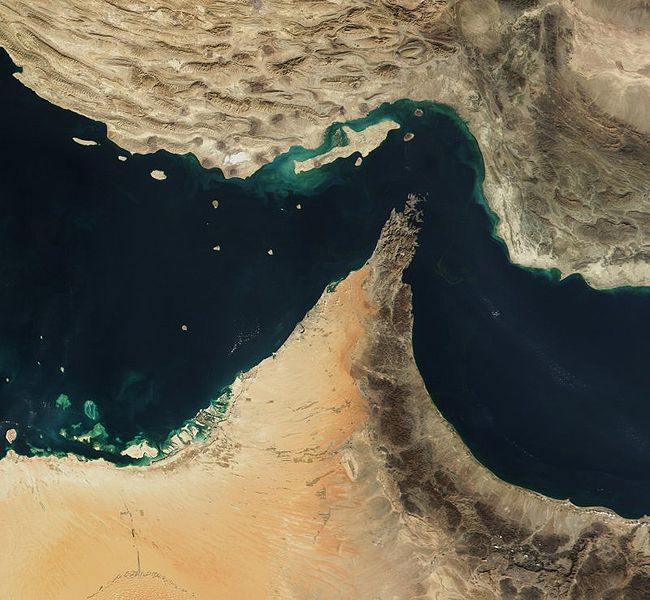
The strait, linking the Persian Gulf to the Gulf of Oman, handles 21 million barrels daily—25% of the seaborne oil trade. Closure risks $5–10 per barrel premiums, with Brent already at $122 (up 50% since the war started).
India, importing 85% of oil, faces ₹20–30/litre pump price hikes if disrupted; refiners like Reliance/BPCL stockpile amid uncertainty. China/Russia gain from exemptions, bolstering BRICS energy resilience.
UN flags supply chain chaos, with UAE deaths from debris (11 total) and Gulf alerts.
Iran’s Strategic Calculus: Friendly Nations Pass, Adversaries Blocked
Tehran’s list reflects diplomatic balancing: India/Pakistan (non‑aligned), Iraq (Shia ally), China/Russia (anti‑West axis). Araghchi emphasised “state of war” justifies restrictions, echoing IRGC warnings on targeting hostile shipping.
No formal blockade exists—coordination required—but US Marines deploy and shipping halts voluntarily.
India’s Advantage: Neutrality Secures Hormuz Access Amid War
For India, the nod averts a $50B annual import bill shock (5M bpd via Hormuz). Jaishankar’s diplomacy—BRICS mediation push—pays off, sparing tankers from escort needs.
Pakistan, despite tensions, is likely to include China in its corridor ties. Iraq leverages Shia solidarity.
Insight: Iran signals selective openness to deter escalation while courting Global South support against US sanctions.
Trump’s Hormuz Warnings: 48‑Hour Ultimatum Fails
Trump’s March 22 demand—“48 hours or we obliterate power plants”—fizzled, with no strikes despite rhetoric. Focus shifts to diplomacy as US GDP risks from $150 oil loom.
Oil Markets React: Brent $122, India Pump Prices Surge
Brent hit $122 intraday (March 25), India petrol/diesel up ₹8–10/litre; diesel cracks spike 20%. Refiners ration, IEA releases 60M barrels.
India taps strategic reserves (5 days), eyes Russia/Sahara alternatives.
Economic Fallout: India Faces ₹2 Lakh Crore Oil Bill Hike
₹2 lakh crore extra import cost at current rates; CAD widens 1.5% GDP, inflation +200bps. Rupee tests 93/USD lows.
Govt subsidies strain (₹30K Cr FY27); EV push accelerates.
Diplomatic Wins: India, China, Russia Gain Hormuz Lifeline
Jaishankar‑Araghchi call (11 March) secured India’s pass, mirroring BRICS energy pacts. China (40% Gulf oil) avoids Taiwan leverage; Russia diverts Europe sales.
Future Risks: Hormuz Blockade Scenarios and Contingencies
Full closure (5–10% GDP hit globally) unlikely in the short term, but IRGC mines/attacks risk escalation. India preps Saudi/UAE pipelines, SPR drawdowns.
UNSC deadlocked; India pushes ceasefire via G20.
Iran’s Hormuz policy balances defiance and pragmatism, shielding friendly economies like India’s while pressuring foes. Stability hinges on de‑escalation, with global markets watching closely.