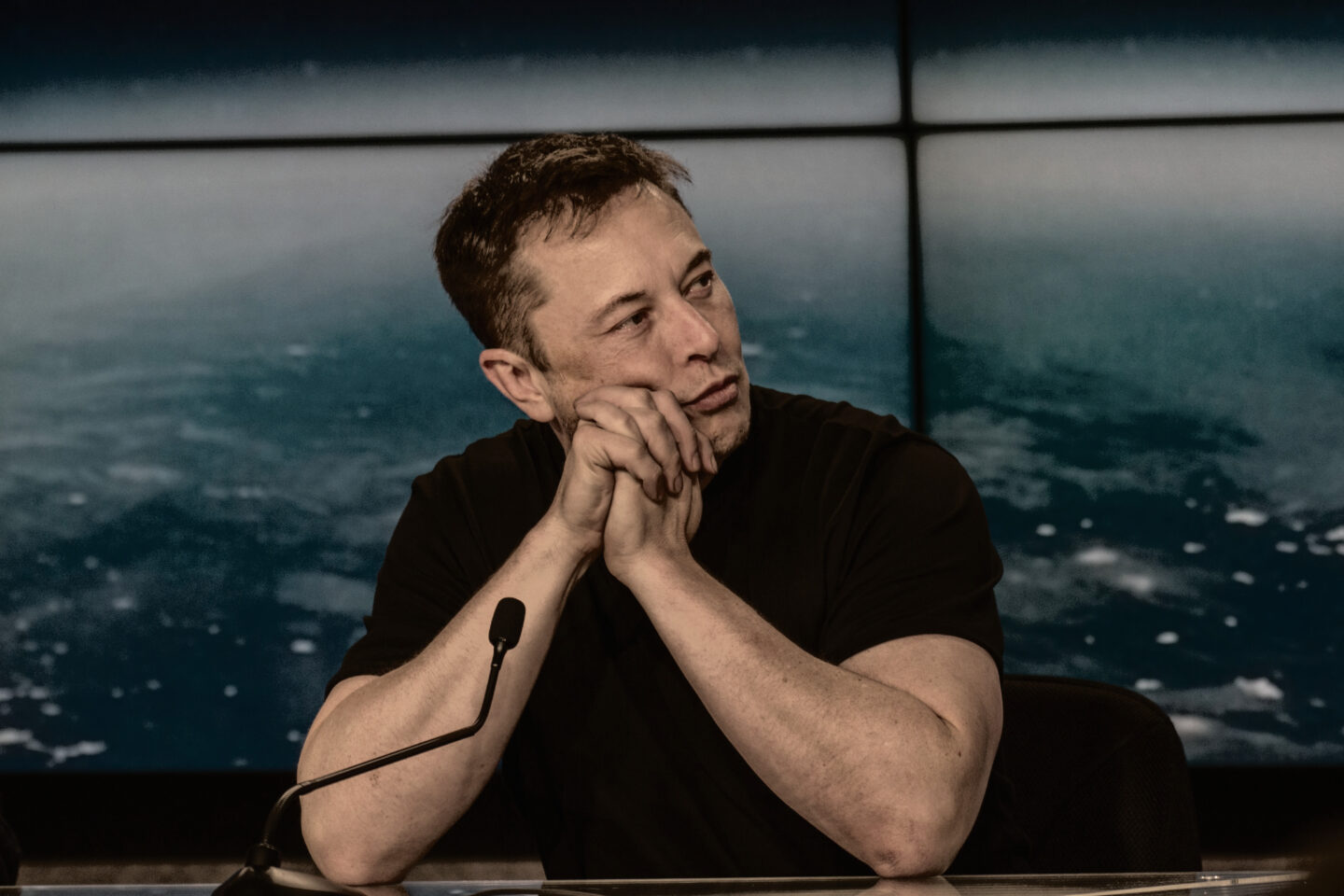
A U.S. jury has found Elon Musk liable for misleading Twitter shareholders with false statements about the 2022 acquisition of the company, now known as X, in a civil fraud case that could result in $2–2.6 billion in damages. The verdict, delivered on 20 March 2026, marks a significant legal setback for Musk and Tesla’s chief executive, validating claims that his public comments artificially suppressed Twitter’s share price ahead of the $44 billion takeover.
Elon Musk Liable for Misleading Twitter Investors: Jury Verdict Details
The case, brought by a group of Twitter shareholders in the U.S. District Court for the Northern District of California, accused Musk of making materially false statements about the deal in tweets and filings between April and October 2022. Specifically, the jury determined that Musk’s public scepticism—such as claiming Twitter had exaggerated its user metrics and that he was considering walking away from the deal—constituted material misrepresentations that drove down the stock price by approximately 10–15% from its peak during the bidding process.
Plaintiffs argued that Musk’s statements were strategic moves to renegotiate or exit the $54.20‑per‑share agreement he had signed in April 2022, after Twitter’s board accepted his unsolicited bid. The jury agreed, finding Musk liable on key counts of securities fraud under Section 10(b) of the Securities Exchange Act, though it stopped short of holding him responsible for a broader “scheme to defraud” or criminal intent.
Twitter Takeover Lawsuit: Musk’s Tweets and False Statements Under Scrutiny
Central to the case were Musk’s high‑profile tweets in which he questioned Twitter’s spam account estimates (claiming they could be as high as 20%), cited financing uncertainties and announced his intention to terminate the deal in July 2022. Shareholders contended that these public declarations created market panic, eroding Twitter’s valuation and forcing the company to accept Musk’s original terms under duress to avoid further damage.
The jury’s finding of liability hinged on evidence that Musk knew or should have known his statements were misleading at the time, particularly regarding Twitter’s user data and deal financing, which he later secured. Reuters reports that the verdict specifically validates claims that Musk’s actions violated fiduciary duties and securities laws by artificially depressing the share price, benefiting him as the ultimate buyer.
$44 Billion Twitter Acquisition: Background and Shareholder Claims
The lawsuit stems from Musk’s tumultuous $44 billion acquisition of Twitter in October 2022, which followed months of public drama, regulatory hurdles and legal battles. Shareholders who sold their stock between Musk’s initial bid and the deal’s closure alleged they were harmed by the lower prices resulting from Musk’s statements, seeking compensatory damages based on the difference between the deal price and the depressed market value.
The case survived multiple motions to dismiss and a protracted discovery process, during which Musk’s legal team argued First Amendment protections for his tweets as opinion rather than fact. However, the jury rejected those defences, aligning with precedents that hold corporate insiders accountable for statements that materially influence stock prices.
Elon Musk Damages: $2–2.6 Billion Penalty in Twitter Fraud Case
The jury awarded approximately $2.6 billion in damages, calculated as the difference between what shareholders received and what they would have absent Musk’s misrepresentations, with potential treble damages under securities law bringing the total closer to $2–2.5 billion after offsets. SFist and Investing.com report that the court will finalise the exact penalty after post‑trial motions, but the base liability stands at a figure that could strain even Musk’s substantial resources.
Musk, who completed the Twitter purchase using a mix of personal funds, bank loans and equity sales from Tesla, now faces the prospect of paying out a significant sum from his fortune, estimated at over $300 billion. The verdict does not unwind the acquisition but imposes financial accountability for the lead‑up tactics.
Musk Twitter Fraud Lawsuit: No Criminal Charges, Civil Liability Only
Importantly, this is a civil verdict, not a criminal conviction. Musk was not found guilty of criminal fraud or racketeering, and no criminal charges have been filed by regulators such as the SEC, which previously settled with Musk over related 2018 tweets. The plaintiffs sought civil remedies under federal securities statutes, and the jury’s focus remained on material misstatements rather than proving intent to defraud as in a criminal case.
Legal experts quoted by The Guardian and BBC note that while the damages are substantial, they represent a fraction of the deal value and Musk’s wealth, and appeals are likely on grounds such as free speech and the scope of securities liability for public figures. Musk’s team has already signalled plans to challenge the ruling, potentially up to the U.S. Supreme Court.
Implications for Elon Musk, Tesla and Future Social Media Deals
The ruling carries immediate implications for Musk’s business empire. Tesla shares dipped 2–3% in after‑hours trading following the verdict, as investors weighed the distraction and potential financial hit amid ongoing regulatory scrutiny of Musk’s public statements. It also raises questions about governance at X, where Musk has consolidated control post‑acquisition, and could embolden similar shareholder suits against high‑profile CEOs who use social media to influence markets.
For the M&A landscape, particularly in tech and social media, the case underscores the risks of public deal commentary, especially when it involves unsolicited bids or renegotiation tactics. Analysts suggest that future acquirers may need to more rigorously firewall public statements from deal teams to avoid liability for market manipulation claims.
Elon Musk’s Reaction and Next Steps in Twitter Shareholders’ Lawsuit
Musk has yet to issue a formal public response, but sources close to him described the verdict as “unjust” and vowed a vigorous appeal, citing the transformative impact of his ownership on Twitter/X. The case now enters a post‑trial phase where the judge will confirm damages, consider Musk’s motion for judgment notwithstanding the verdict and set appeal timelines.
Shareholder lead counsel stated that the ruling “holds one of the world’s richest men accountable for playing fast and loose with investor trust,” while Musk allies argue it sets a dangerous precedent for stifling entrepreneurial speech. As appeals unfold, the decision will likely influence how executives navigate the intersection of social media, markets and mergers for years to come.
The Twitter shareholder fraud lawsuit underscores the enduring legal scrutiny of Musk’s high‑stakes manoeuvres, even as X continues to evolve under his leadership. With damages in the billions at stake, this chapter in the saga of the $44 billion takeover is far from over.