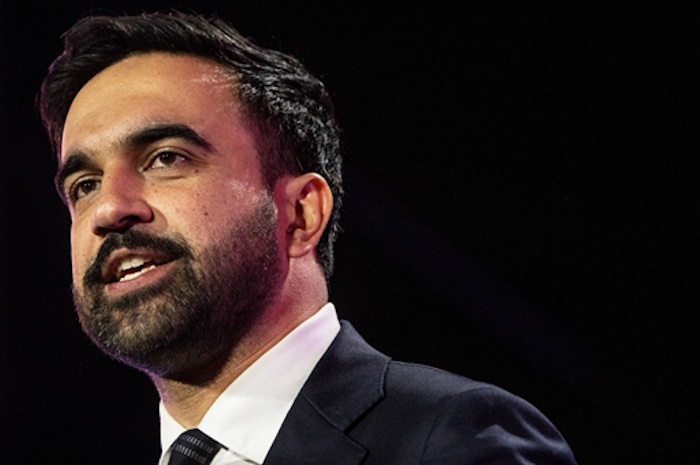
New York City, the largest school district in the United States, has introduced one of the most restrictive policies on artificial intelligence in education, banning the use of generative AI tools for all students through 8th grade and imposing tight controls in high school. The move, announced by Mayor Zohran Mamdani and Schools Chancellor Brenda Samuels, frames AI as a risk to academic integrity, mental health and equity, and is expected to influence debates in other districts across the country.
NYC Schools AI Ban: What the New Policy Actually Says
Under the new rules, students in pre‑kindergarten through 8th grade are prohibited from using generative AI tools on school devices and networks, with access blocked by default. In high schools, AI use is permitted only under strict teacher supervision and must be logged in a central system that tracks which tools are used and for what assignments.
Key elements of the policy include:
-
A default block on generative AI websites and apps for younger students, with limited exceptions for approved educational tools.
-
Mandatory teacher oversight for any AI use in grades 9–12, including documentation of when and how the tools are used in class.
-
A requirement that schools develop clear consequences for cheating involving AI, alongside updated academic honesty policies.
-
Professional development for teachers on how to detect AI‑generated work and design assignments that are harder to outsource to algorithms.
City officials say the policy is designed to protect younger students from what they describe as unproven educational benefits and significant risks around distraction, misinformation and over‑reliance on automated writing.
Mayor Mamdani’s Rationale: Cheating, Mental Health and Equity
In announcing the ban, Mayor Mamdani emphasised three core concerns: academic dishonesty, mental health impacts and unequal access to support. He argued that widespread, unsupervised AI use encourages students to submit work they did not create, undermining learning and making it harder for teachers to assess real understanding.
Mamdani also pointed to growing evidence and anecdotal reports that heavy AI use is linked to reduced attention spans, increased anxiety and a sense of disconnection from schoolwork, particularly among younger adolescents. He said the city cannot ignore the possibility that constant outsourcing of thinking to algorithms may be reshaping how children learn to read, write and reason.
On equity, the mayor warned that AI could widen gaps between students who have strong adult support at home and those who do not. In his view, unrestricted access risks creating a system where some children use AI as a tutor while others use it primarily as a shortcut, with teachers unable to tell the difference.
How the AI Ban Will Be Enforced in NYC Schools
Enforcement will rely on a combination of technical controls, school‑level policies and disciplinary measures. The Department of Education is updating its network filters to block access to major generative AI platforms on school devices for students in pre‑K through 8th grade. Schools will also be required to incorporate AI rules into their student handbooks and academic honesty policies, with clear consequences for violations.
Teachers will receive training and resources to:
-
Identify signs of AI‑generated writing and problem‑solving.
-
Redesign assignments to emphasise in‑class work, oral explanations and process‑based assessments that are harder to automate.
-
Use approved AI tools, where appropriate, to support lesson planning and administrative tasks, while keeping student‑facing use tightly controlled.
The city says it will monitor compliance through periodic audits and feedback from principals, though it acknowledges that personal devices and home internet access will limit how completely the ban can be enforced outside school.
Reactions from Educators, Parents and AI Advocates
The policy has drawn mixed reactions from educators, parents and technology advocates. Supporters argue that younger students need protected time to develop foundational skills in reading, writing and critical thinking before being exposed to powerful automation tools. Some teachers have welcomed the clarity, saying it gives them backing to push back against students’ expectations that AI should be allowed for every assignment.
Critics, however, warn that a blanket ban may stifle experimentation and deny students the chance to learn how to use AI responsibly under guidance. Some parents and ed‑tech advocates argue that AI can serve as a personalised tutor, helping struggling students with explanations and practice, and that the city should focus on teaching responsible use rather than prohibition.
AI industry representatives have cautioned that overly restrictive policies could leave New York students less prepared for a workforce where AI literacy is increasingly expected, and urged the department to revisit the rules as more evidence on educational impacts emerges.
Experts Weigh In: Will the NYC AI Ban Help or Harm Students?
Education and technology experts are closely watching New York’s move as a potential model—or warning—for other districts. Some researchers support the emphasis on limiting unsupervised AI use for younger adolescents, citing concerns about cheating, over‑reliance and the still‑uncertain cognitive effects of constant algorithmic assistance.
Others argue that the policy may be too rigid, risking a backlash in which students use AI in secret rather than learning to use it openly and ethically. They suggest that schools should instead focus on AI literacy curricula, clear guidelines for acceptable use, and assessments that measure process and understanding rather than just final outputs.
Several experts note that New York’s approach could encourage other large districts to adopt similar restrictions, especially if early data shows improvements in writing quality, test scores or classroom engagement. Conversely, if the ban is widely circumvented or associated with student frustration, it could strengthen the case for more permissive, skills‑focused models of AI integration.
How NYC’s AI Policy Compares to Other School Districts
New York’s policy is among the strictest in the nation for a major urban school system. While many districts have issued guidance on AI use, few have implemented a grade‑based ban backed by network‑level blocks and mandatory logging in high school.
Some smaller districts have opted for age‑based limits or subject‑specific restrictions, allowing AI in certain classes (such as computer science) while discouraging it in others (such as English). A handful of private and charter schools are experimenting with AI‑integrated curricula, teaching students to use models for research, drafting and coding under close supervision.
New York’s size and visibility mean its choices are likely to be cited in policy debates well beyond the city, as other systems grapple with similar questions about cheating, equity and the role of AI in learning.
What Comes Next for AI in New York City Classrooms
City officials say the policy will be reviewed periodically, with adjustments based on feedback from teachers, families and emerging research on AI’s educational impacts. The Department of Education plans to publish guidance documents and host workshops for schools on implementing the rules and redesigning assignments.
For now, the message from City Hall is clear: in New York City’s public schools, generative AI will not be treated as a neutral tool for younger students, but as a technology whose use must be carefully controlled until there is stronger evidence that it supports rather than undermines learning. Whether that stance protects a generation of students or holds them back may depend on how the policy plays out in classrooms over the coming years.