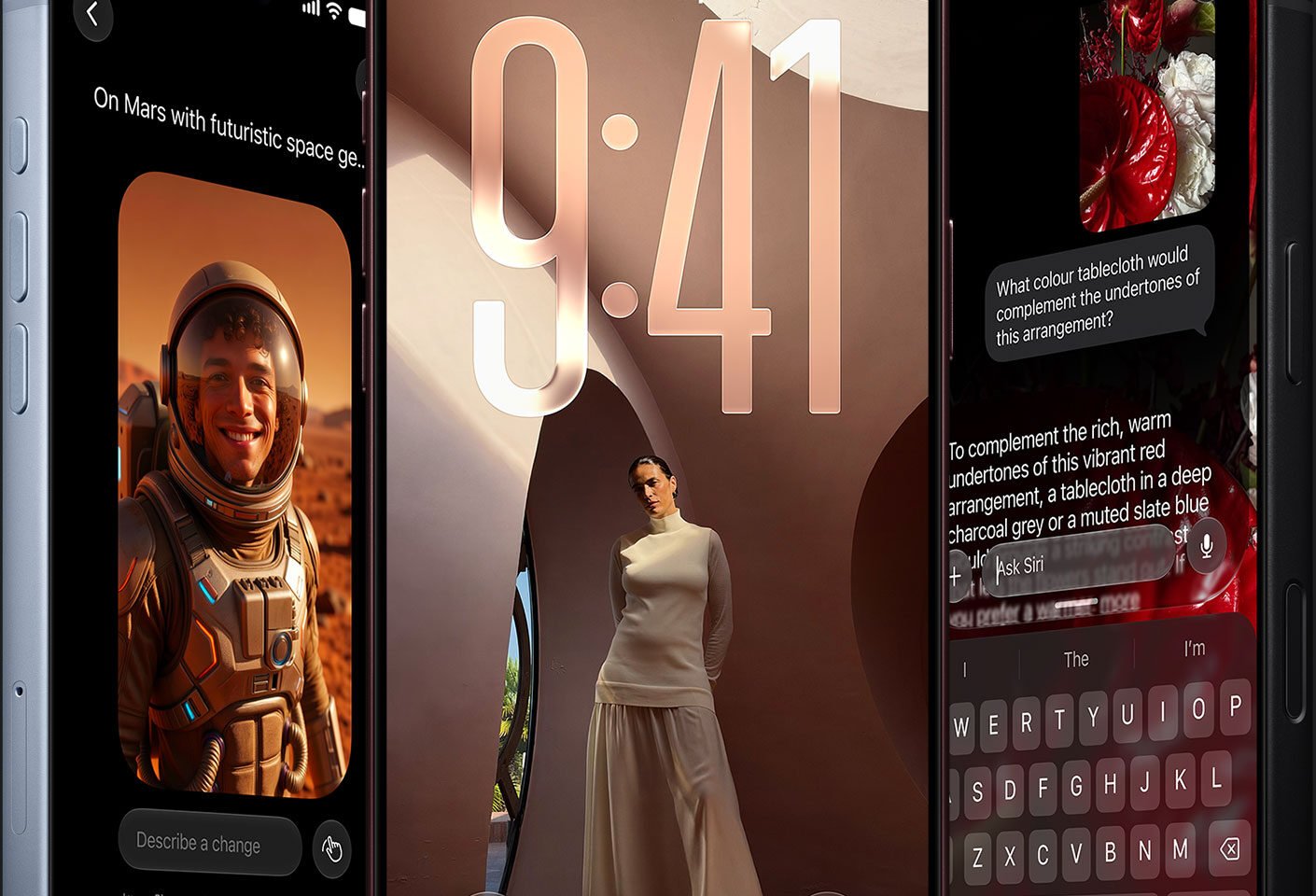
Apple, long known for relying on its own brand power and tightly controlled product reveals rather than conventional influencer campaigns, is now sending iPhone 18 units to celebrities and social media influencers ahead of general availability. The move marks a notable departure for a company that has historically avoided paying influencers or orchestrating large‑scale creator campaigns around iPhone launches, and it underscores how even the world’s most valuable brand is adapting to an environment where attention, aspiration and impulse increasingly drive sales of high‑priced devices.
Apple’s iPhone 18 Influencer Marketing Strategy Marks a Shift
For years, Apple’s iPhone launches were defined by stage‑set keynotes, polished ads and earned media rather than influencer unboxings and sponsored posts. The company cultivated an image of exclusivity by letting the product itself—and its existing user base—do most of the marketing.
With the iPhone 18, that approach is evolving. Reports indicate Apple has begun gifting devices to high‑profile creators and celebrities, who then post unboxings, first impressions and lifestyle content featuring the new phones. While Apple has worked with creators in limited ways before, this level of pre‑release seeding and visible influencer promotion around a flagship iPhone is new.
Industry observers say the shift reflects a recognition that traditional advertising alone no longer guarantees urgency in a crowded smartphone market, especially when many consumers see their current phones as “good enough” for another year.
iPhone 18 FOMO: How Celebrities Fuel Impulse Buying
The timing is deliberate. By placing iPhone 18 units in the hands of influencers and celebrities just as pre‑orders open, Apple is tapping into fear of missing out (FOMO) as a sales driver. When followers see trusted creators showcasing the latest camera features, design tweaks or AI capabilities, the psychological pressure to “keep up” intensifies.
This dynamic is particularly potent among younger, socially active users who:
- Constantly compare their devices in photos, videos and stories.
- Feel subtle status pressure when peers upgrade while they do not.
- Are more likely to make impulse purchases after repeated exposure to aspirational content.
Apple understands that for many buyers, the iPhone is not just a tool but a social signal. Influencer posts amplify that signal, turning a product launch into a cultural moment that feels harder to sit out.
Why Apple Is Embracing Influencer Marketing Now
Apple’s pivot toward influencer marketing for iPhone 18 is driven by several factors:
- Slowing upgrade cycles: Consumers are holding onto phones longer, making it harder to convince them to pay full price for a new model.
- High price points: With iPhone 18 variants priced at a premium, Apple needs stronger emotional triggers to justify the spend.
- Saturated smartphone market: In a mature category, differentiation increasingly comes from brand narrative and social proof, not just specs.
By leveraging influencers, Apple can:
- Reach audiences that skip traditional ads and live on social platforms.
- Frame the iPhone 18 as a must‑have lifestyle accessory, not just a tech upgrade.
- Create a sense of scarcity and urgency through limited early access and exclusive content.
For a company that has long resisted overt influencer deals, this is a clear signal that even Apple cannot ignore the economics of attention in 2026.
iPhone 18 Pricing and Premium Positioning
The iPhone 18 lineup continues Apple’s strategy of premium pricing, with base models and Pro variants positioned well above many Android flagships. Apple justifies these prices through:
- Advanced camera systems and computational photography.
- New AI features and on‑device intelligence.
- Tight integration across hardware, software and services.
But as prices climb, the company must work harder to convince consumers that the upgrade is essential. Influencer content helps by:
- Showcasing real‑world use cases that feel aspirational yet attainable.
- Normalising high price tags by framing the iPhone as a long‑term investment in quality and status.
- Creating a narrative where not upgrading feels like falling behind socially or professionally.
In effect, Apple is using influencers to reinforce the perceived value of the iPhone 18, making the premium price feel like a natural entry fee to a desirable lifestyle.
The Psychology of FOMO and Impulse Spending on iPhones
FOMO is a powerful driver of impulse spending, especially for visible, status‑linked products like smartphones. When consumers see influencers repeatedly highlighting the iPhone 18’s new features, several psychological mechanisms kick in:
- Social comparison: “Everyone around me seems to have it; am I missing out?”
- Loss aversion: The pain of being left behind feels stronger than the pleasure of saving money.
- Herd behaviour: If trusted creators and peers are upgrading, it feels safer to follow.
Apple’s influencer strategy amplifies these effects by ensuring that iPhone 18 content is everywhere during the critical launch window. The result is a feedback loop where visibility fuels desire, desire fuels purchases, and purchases fuel more visibility.
What This Means for Consumers and the Smartphone Market
For consumers, Apple’s embrace of influencer marketing means:
- More aspirational, lifestyle‑focused messaging around iPhone launches.
- Greater pressure to upgrade even when current devices are still functional.
- A blurrier line between organic enthusiasm and paid promotion, as gifted devices often come with implicit expectations.
For the broader smartphone market, Apple’s move could encourage other premium brands to:
- Increase their own influencer and creator spending.
- Focus more on emotional storytelling than raw specifications.
- Lean harder into FOMO‑driven launch tactics to sustain high price points.
As the iPhone 18 cycle unfolds, the key question is whether this strategy will simply accelerate existing demand or genuinely expand it among consumers who might otherwise have waited.
Apple’s Calculated Bet on Influencers and iPhone 18 Sales
Apple’s decision to seed iPhone 18 units to influencers is a calculated bet that the returns in brand heat, urgency and upgrade rates will outweigh the risk of appearing more commercial. The company knows that:
- Its products are expensive relative to many alternatives.
- Rational arguments about specs and longevity are not always enough to drive sales.
- Emotion, status and social proof often tip the balance at the point of purchase.
By embracing influencer marketing, Apple is acknowledging a simple truth: in 2026, even the most powerful brand in tech needs human faces and social validation to keep the upgrade machine running.