The Reserve Bank of India is reportedly considering a pilot project for polymer banknotes, reviving a decade-old proposal to introduce plastic currency in India, though the central bank has not yet officially announced such a program. The discussion comes as currency demand continues to rise sharply despite the rapid growth of digital payments, with the central bank reportedly citing lower production costs and longer shelf life as potential drivers for the transition.
What Are Polymer Banknotes? Explained
Polymer banknotes, commonly called “plastic notes,” are currency notes made from a thin, flexible plastic substrate called polymer instead of the cotton-based paper used in traditional banknotes. Despite the name, they are not rigid like credit or debit cards. Polymer notes are lightweight, flexible, and can be folded and handled much like conventional paper currency.
The key difference from paper notes is durability. Polymer banknotes generally last much longer than paper notes because they are more resistant to dirt, moisture, and tearing. This reduces the number of damaged notes that can no longer be used and need to be replaced, ultimately lowering the frequency of re-printing.
Why RBI Is Considering Polymer Notes Now
The RBI is reportedly planning to introduce polymer banknotes to meet the rising demand for currency notes in recent years, despite the rapid growth of digital payments in India. Sources familiar with the matter told Business Standard that the proposal was discussed during the RBI’s last two board meetings held in Patna and Mumbai.
However, it is important to note that the RBI has not publicly announced a polymer notes pilot program, and no reference to polymer banknotes appears in its Annual Report for FY2025-26. The decision has been taken in view of perceived advantages in the cost of production and the higher shelf life of polymer notes compared to traditional paper currency.
Rising printing costs and billions of soiled notes withdrawn annually are also pushing the central bank to consider a more durable alternative.
Benefits of Polymer Currency Over Paper Notes
Polymer notes offer several advantages over conventional paper currency:
Because polymer notes remain in circulation for longer, central banks often spend less on replacing damaged notes over time.
Security Features and Counterfeit Protection
Polymer notes can be designed to be incredibly difficult to counterfeit, as they can use advanced, built-in security features such as see-through windows, micro-optic holograms, and specialized inks. These features make counterfeiting significantly more difficult compared to traditional paper notes.
This is particularly relevant as fake ₹500 notes have been rising in circulation, leading some to question whether plastic notes could help address the counterfeit problem. The primary objective of introducing polymer notes in India was originally to increase note life, not combat counterfeiting, but the enhanced security features are an additional benefit.
Which Denominations Will Be Tested First
While the RBI is reportedly planning to introduce polymer notes soon, the replacement of all paper notes will not happen immediately. The central bank is expected to begin with a pilot project before considering any large-scale transition to polymer currency.
Lower denomination notes such as ₹10 and ₹20 are likely to be tested first, as these notes circulate more frequently and wear out faster than higher-value denominations. A wider rollout, if approved, would likely happen gradually and depend on the outcome of the pilot project, operational feasibility, and public acceptance.
India’s Previous Polymer Currency Trial
In 2012, the then UPA government had approved a field trial involving one billion pieces of ₹10 polymer banknotes across five cities. The primary objective of the introduction of polymer/plastic notes was to increase their life and not to combat counterfeiting.
The Energy and Resources Institute was commissioned to estimate the environmental impacts and carbon footprints of plastic currency versus paper currency. Their study from that period found that polymer notes would be more environmentally friendly than paper-based currency.
Countries That Already Use Polymer Banknotes
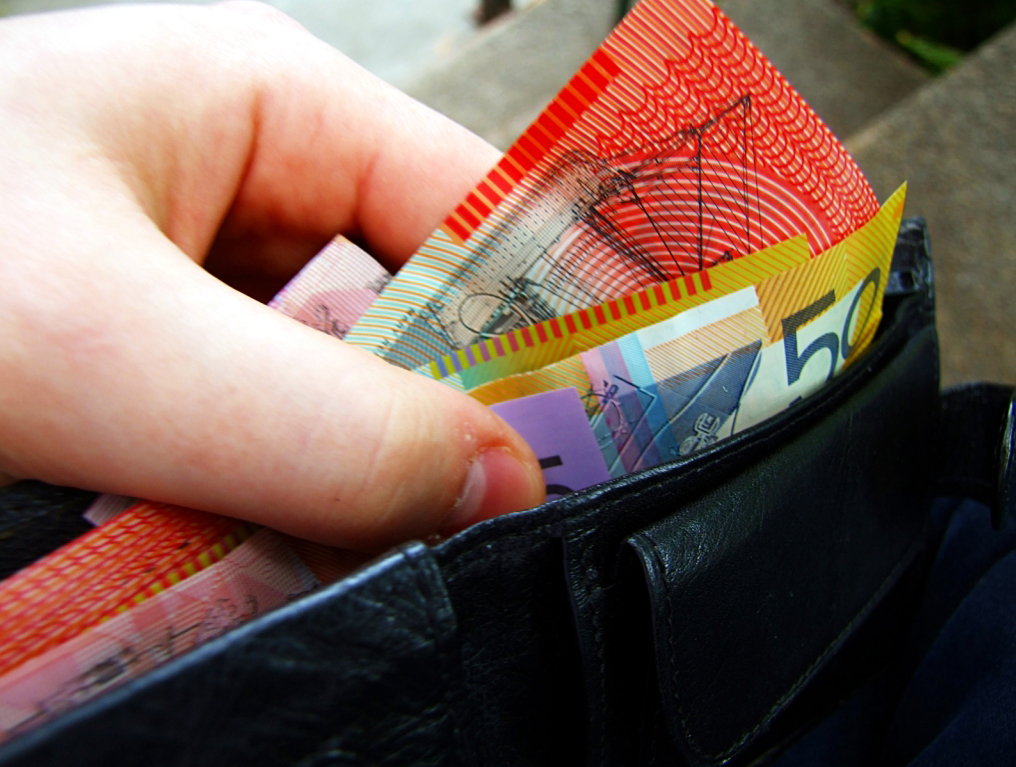
Countries including Australia, Canada, Singapore, Malaysia, and Romania have successfully adopted polymer banknotes, citing cost efficiency, durability, and improved security. Australia pioneered polymer currency in the late 1980s, and many countries have since followed suit because of the clear advantages in longevity and counterfeiting protection.
Environmental Impact and Sustainability
The Energy and Resources Institute study from 2012, commissioned by the RBI, found that polymer notes would be more environmentally friendly than paper-based currency. The polymer banknotes are made from a non-fibrous and non-porous polymer, while Indian banknote paper is made from long fibres obtained from cotton comber and linter.
There is thus no direct relation between paper-based currency and the cutting of trees, as cotton is used rather than wood pulp. However, the longer lifespan of polymer notes means fewer notes need to be printed and disposed of over time, reducing overall environmental impact.
Timeline and What Happens Next
The RBI is expected to announce a pilot project for polymer banknotes in the near future after discussing the matter at its last two board meetings, though no official timeline has been confirmed. ATMs will also need to be enabled to dispense these new notes, which is part of the operational feasibility consideration
The central bank has revived discussions around introducing polymer banknotes in India as currency demand continues to rise sharply, Business Standard reported, citing sources familiar with the matter. The move is being considered due to the lower production cost and longer shelf life of polymer notes compared to conventional paper currency.
Important clarification: The RBI has not yet officially announced the polymer notes pilot program, and no reference to polymer banknotes appears in its Annual Report for FY2025-26. The information comes from sources familiar with RBI board discussions, not official RBI statements.
Once the RBI officially announces the pilot project, the public will be able to use polymer notes for the first time in over a decade, marking a significant step in India’s currency modernization efforts. The outcome of the pilot will determine whether a wider rollout happens gradually across all denominations.