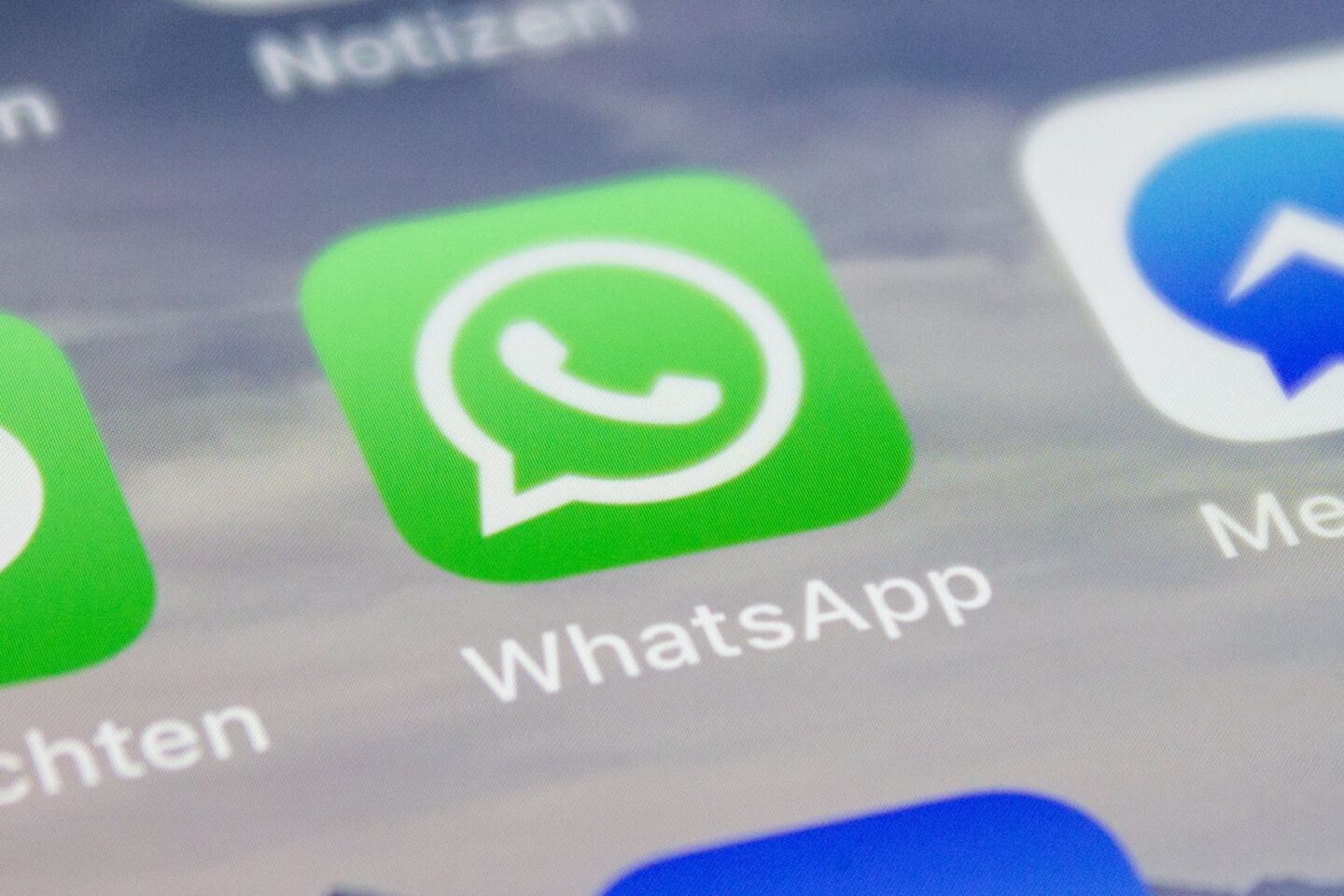
Russia’s decision to block WhatsApp is part of a broader effort to control digital communications, enforce strict local laws on foreign tech firms, and push citizens toward a state-backed alternative messenger called MAX. The move has major implications for privacy, free speech, and how over 100 million Russians communicate online.
How the WhatsApp ban started
Tensions between Russia and Meta have been building for years, especially after Facebook and Instagram were labelled “extremist” and largely blocked in the country. WhatsApp had remained one of the last major Meta services still widely accessible, used by tens of millions for personal chats, work, and small businesses.
In 2024–2025, Russian regulators began tightening rules on foreign tech platforms, demanding that they: comply with data localisation laws, open local offices, remove “banned” or “extremist” content, and provide more cooperation in investigations. Courts repeatedly fined WhatsApp for allegedly failing to delete prohibited content and not fully complying with these regulations.
By mid‑2025, authorities started restricting features, including blocking voice calls on WhatsApp and other messengers, under the justification of fighting fraud and terrorism. In December, Roskomnadzor signalled that a full block was coming, saying additional steps were being taken to “gradually restrict” the app over continued violations and alleged use in organising terrorist acts and crimes.
Why Russia is blocking WhatsApp
Russian officials present the ban as a legal and security measure. The Kremlin says WhatsApp was blocked because Meta refused to comply with Russian law and showed “reluctance to comply with the norms and letter of Russian law.” Authorities accuse the platform of:
-
Failing to remove content Moscow deems illegal or extremist.
-
Not opening a proper local representative office as required by law.
-
It is being used, allegedly, to organise terrorist acts, recruit perpetrators, and commit fraud and other crimes.
At the same time, the move fits a long‑term strategy to build a “sovereign” or controlled internet and communications system during wartime and geopolitical confrontation. Officials want foreign platforms either fully obedient to local rules or effectively pushed out of the market.
Meta, for its part, says Russia is trying to drive people away from private, secure communication and into a “state-owned surveillance app,” calling the block a “backwards step” that will make people in Russia less safe.
The rise of MAX: Russia’s state-backed messenger
Alongside the ban, the Kremlin is heavily promoting MAX, a state-backed “national messenger” developed by Russian tech giant VK. Officials describe MAX as an “accessible alternative” and “national messenger” and have urged WhatsApp’s estimated 100 million Russian users to switch.
Key features of MAX include:
-
Integration with government services, letting users access state portals and everyday utilities in one app.
-
Super‑app ambitions similar to China’s WeChat or Alipay, from paying bills to ordering food.
-
Mandatory preinstallation on all new phones and tablets in Russia from late 2025 onward, following a government directive.
Critics, however, warn that MAX could function as a powerful surveillance tool because of its tight links to the state and access to sensitive personal and transactional data, though authorities deny this and frame it as a convenience and security upgrade.
How Russia is technically blocking WhatsApp
The block is not just a symbolic announcement; it is being enforced at the network level. Roskomnadzor has removed domain names associated with WhatsApp from Russia’s national domain register. When those domains disappear from the registry, devices inside Russia no longer receive the app’s IP addresses, making WhatsApp unreachable through normal internet connections.
As a result, users in Russia can now access WhatsApp only via VPNs or other complex workarounds. This approach mirrors how Russia previously restricted access to Facebook and Instagram after designating Meta as an extremist organization, leaving those services effectively erased from the domestic internet.
What will happen next: impact and outlook
In the short term, millions of users are being forced to choose between:
-
Switching to MAX or other domestic apps that are more closely aligned with the state.
-
Moving to alternatives like Telegram, which is very popular in Russia but is itself facing “phased restrictions” for alleged non‑compliance.
-
Using VPNs to access WhatsApp and other foreign platforms adds friction and may not be feasible for everyone.
The broader consequences are significant for:
-
Privacy and security: Shifting from an end‑to‑end encrypted global platform to a state‑backed app raises fears of expanded monitoring and data access by authorities, especially given wartime controls and the security narrative around the ban.
-
Free expression and information flow: WhatsApp has been an important channel for independent communication; restricting it concentrates information and communication within platforms that can be more easily regulated or pressured by the state.
-
Tech sovereignty and geopolitics: Russia’s push for a sovereign internet, including national messengers and app ecosystems, deepens the split between Russian digital space and Western platforms, and sets a model other authoritarian governments might follow.
Over time, the ban is likely to cement a more closed, government-centric digital environment in Russia, where communication tools, social media, and online services are increasingly domestic, tightly regulated, and less interoperable with the global internet. For users, that means fewer choices, more friction to reach foreign services, and growing uncertainty about how private their messages really are.