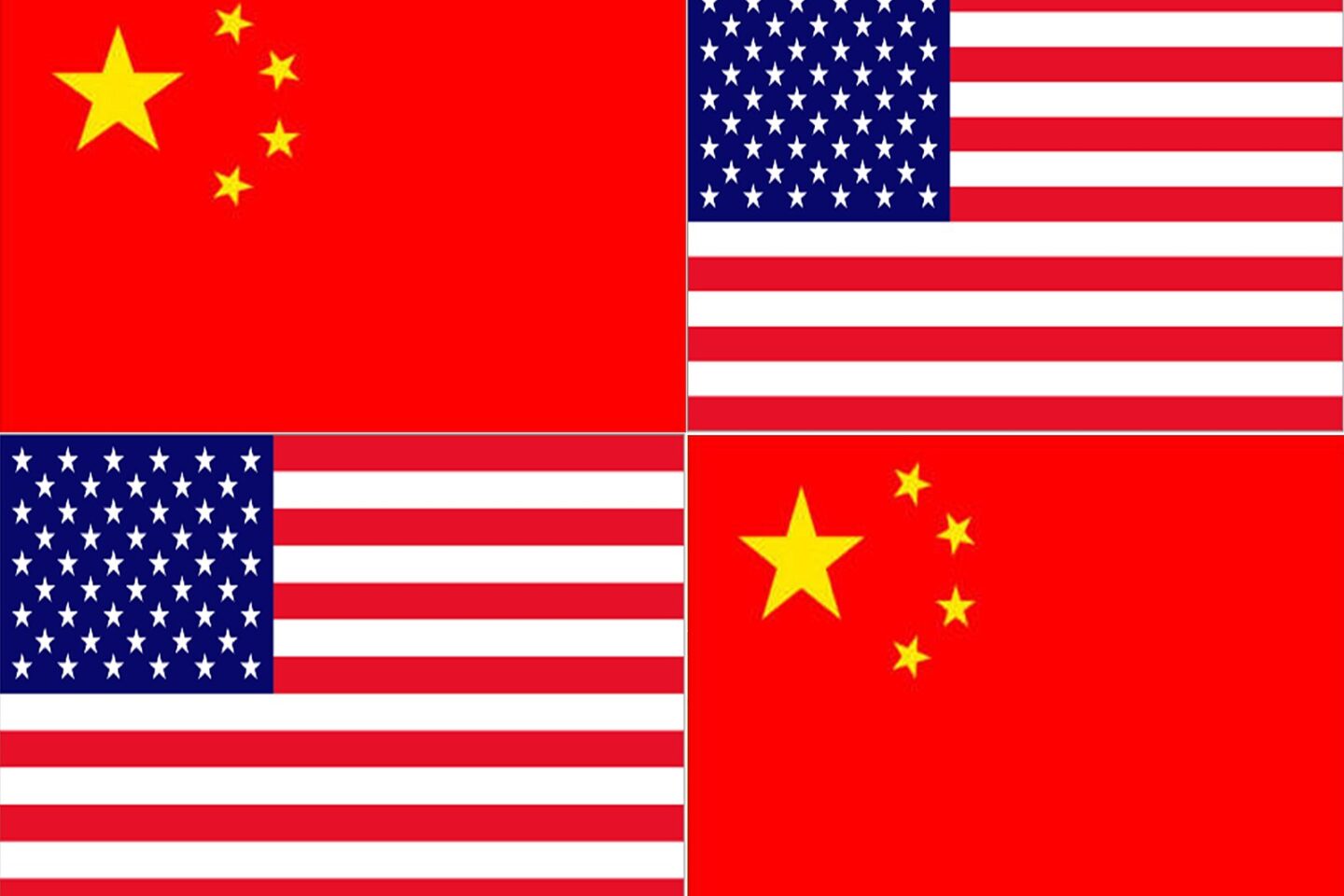
The United States has announced a significant reduction in tariffs on Chinese goods following a high-profile meeting between US President Donald Trump and Chinese President Xi Jinping in Busan on October 30, 2025. The move, unveiled as part of ongoing efforts to stabilize the world’s most influential trade relationship, lowers tariffs on a wide range of imports and prompts questions about the next phase in US-China economic ties.
Background: US-China Trade Tensions and Tariff Escalation
The trade war that started in 2018 saw a series of escalating tariffs and retaliatory measures between the two countries. Originally launched to address US concerns over intellectual property practices and trade imbalances, the dispute led to higher costs across industries—from machinery and electronics to agriculture—ultimately raising prices for businesses and consumers in both nations.
What Changed: Details of the Latest Tariff Reductions
President Trump announced a 10% reduction in tariffs imposed on China, bringing the rate down from 57% to 47% on a broad range of goods. Notably, the tariff on fentanyl (a major source of bilateral concern) was slashed even more steeply, dropping to just 10%. The new measures also featured an agreement on Chinese rare earths, with a one-year export deal that may be extended in the future.
The summit produced side agreements—including expanded Chinese purchases of US soybeans and a pledge to begin talks on advanced computer chip shipments, with tech giants like Nvidia entering negotiations.
Why Now? Economic Pressures and Diplomatic Calculations
Sources suggest the move is driven by a mix of economic and diplomatic motivations. Easing tariffs could help fight persistent inflation in the US, lower costs for critical manufacturing sectors, and signal cooperation ahead of future negotiations. The tariff reduction comes after persistent speculation about possible additional hikes (up to 100%), which were ultimately set aside in light of progress at the summit.
In public remarks, President Trump rated the meeting a “12 out of 10,” signaling optimism about the future of the relationship, even while acknowledging underlying competition and the potential for friction.
Winners and Losers: The US, China, and the Wider Economy
The immediate beneficiaries are US importers and manufacturers reliant on Chinese components, who will see costs fall and possibly pass some savings to consumers. Retailers may also benefit from lower-priced goods as the holiday shopping season approaches.
However, certain domestic industries competing against Chinese imports could feel renewed price pressure, and some critics warn that deeper unresolved issues—such as IP enforcement and technology transfer—still need to be addressed for relations to truly stabilize.
China’s Reaction and Global Implications
Beijing’s reaction has been cautiously positive. China’s Ministry of Commerce welcomed the steps toward stable trade but underscored its intent to defend the nation’s economic interests. Both leaders noted the ongoing competition in emerging technologies and global influence, with rare earths and high-tech exports remaining key strategic issues.
Economists say the tariff rollback—while a notable thaw—may have only modest effects on total trade volume unless followed by broader structural agreements. The world economy nonetheless received a signal of reduced risk at a time of heightened global uncertainty.
The Path Ahead: Fragile Cooperation?
While tariffs are now lower, underlying rivalry between the two economic superpowers persists. Geopolitical factors and sector-specific disputes are likely to shape future rounds of negotiation, while both sides remain under pressure from their domestic constituencies.
The resumption of US-China trade dialogue and targeted tariff relief is a positive step for global markets. Lasting success, however, will depend on both countries’ ability to resolve deeper concerns and avoid future flare-ups that could again roil the global economy.