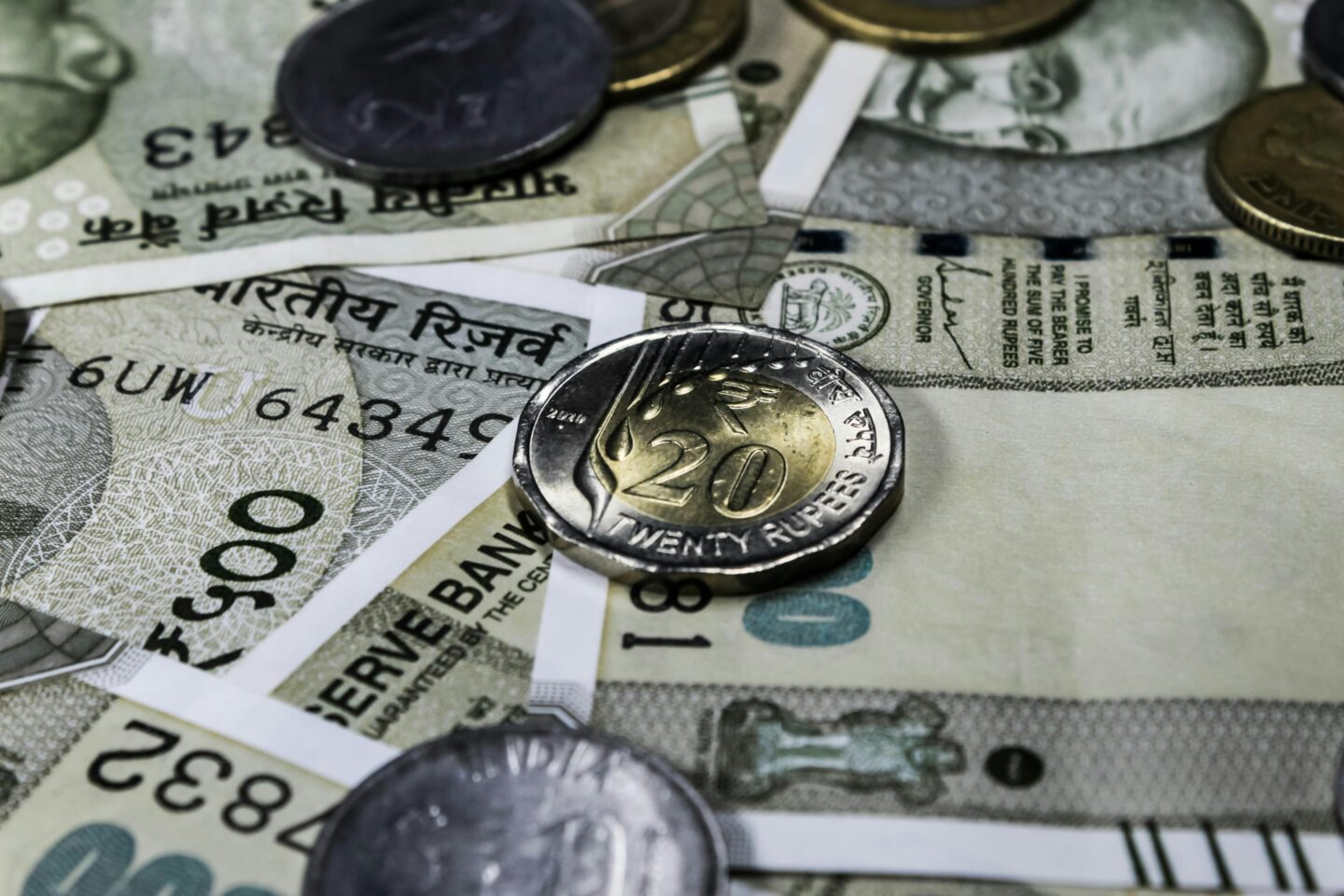
A Currency Under Pressure
The Indian Rupee is facing renewed pressure, with the currency repeatedly breaching fresh record lows against the US dollar amid persistent capital outflows and a firm greenback. As the Rupee hovers in the 90–91 per dollar range, concerns are mounting about the potential impact on India’s inflation trajectory, trade balance and overall financial stability. The key questions now are how much further the Rupee might weaken, and what combination of policy tools can cushion the blow without derailing growth.
Why the Dollar Is So Strong
The current phase of dollar strength is being driven less by fresh US rate hikes and more by the lingering effect of earlier tight monetary policy, elevated US yields, and investors’ continued preference for dollar assets in an uncertain global environment. With geopolitical tensions, slower global growth and volatile commodity prices in the background, the dollar has retained its safe‑haven appeal, prompting portfolio reallocations away from many emerging‑market currencies, including the Rupee. The broad dollar index has remained firm rather than surging dramatically, but the combination of high US real yields and risk aversion has still created a challenging backdrop for the INR.
Capital Outflows and Market Sentiment
For India, this has translated into renewed capital outflows from both debt and equity markets, as foreign investors trim exposure to riskier assets or rebalance portfolios towards markets perceived as safer or better‑yielding. Market data and analyst commentary indicate that foreign portfolio investors have been net sellers of Indian assets in recent weeks, adding pressure on the Rupee at a time when global growth concerns are already weighing on risk sentiment. Each bout of selling reduces demand for the Rupee relative to the dollar, pushing the exchange rate weaker and raising the local‑currency cost of servicing dollar‑denominated corporate and sovereign‑linked obligations.
Inflation, Imports and Exports
The economic impact of a weaker Rupee is complex and uneven. On the import side, depreciation makes foreign goods and services more expensive in Rupee terms, with crude oil, electronics, machinery and chemicals among the most sensitive categories. Since India imports a substantial share of its crude oil needs, a weaker currency can amplify the local impact of any upswing in global oil prices, feeding into higher fuel, transport and input costs and complicating the Reserve Bank of India’s efforts to keep inflation near its target band.
On the export side, a softer Rupee can, in theory, boost competitiveness by making Indian goods and services cheaper in dollar terms for overseas buyers. Sectors such as IT services, pharmaceuticals, textiles and some engineering exports can benefit from an exchange‑rate tailwind, especially if their cost bases are largely domestic. However, the gains are neither automatic nor uniform: when global demand is under pressure, or when exporters rely heavily on imported inputs, part of the benefit from a weaker currency is eroded by higher dollar‑priced costs. Small and medium‑sized enterprises, often less able to hedge currency risk, are particularly exposed to this squeeze.
RBI’s Tightrope and the Road Ahead
The RBI has been an active presence in the foreign‑exchange market as the Rupee has slid to successive record lows, including closes around 90.97 and intraday moves beyond 91 to the dollar. By selling US dollars from its reserves and occasionally tightening Rupee liquidity, the central bank has sought to smooth volatility and prevent disorderly market conditions rather than defend any specific level. Analysts note that India’s sizeable foreign‑exchange reserves give the RBI space to lean against speculative moves, but not to fully offset structural pressures stemming from global rate differentials and capital‑flow dynamics.
Alongside direct intervention, policymakers can encourage more stable capital inflows, refine rules for foreign investments and support external borrowing frameworks that reduce vulnerabilities over time. Fiscal discipline, productivity‑enhancing reforms and efforts to reduce structural dependence on certain imports can, in the longer run, provide a more durable foundation for currency stability. In the near term, however, the Rupee is likely to remain sensitive to shifts in global risk sentiment and flows, with the RBI acting as a stabilising force rather than an impenetrable shield.