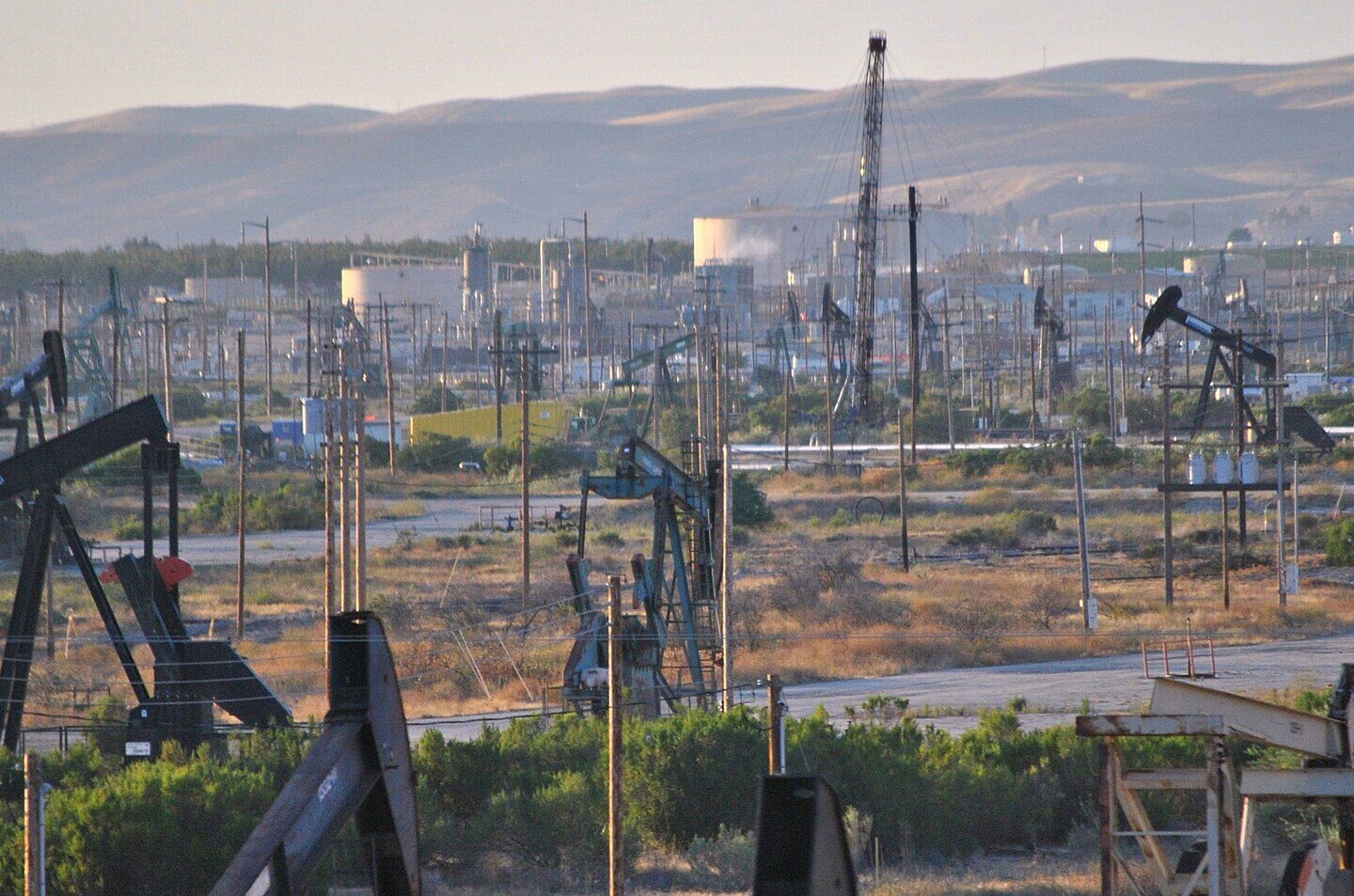
Israel’s airstrikes on Iranian oil facilities near Tehran on 7 March 2026 triggered massive fires and a sharp escalation in the ongoing conflict, sending Brent crude oil prices soaring past $100 per barrel for the first time in nearly four years and igniting fears of broader economic fallout. The attacks, which U.S. officials privately questioned with a reported “WTF” reaction, have disrupted key energy infrastructure, intensified U.S.-Iran-Israel tensions, and prompted warnings of retaliatory strikes that could push oil to $200.
Israel Attacks Iran Oil Fields: Fires Rage Near Tehran
Israeli warplanes targeted three oil depots and a refinery in Tehran’s outskirts, causing “apocalyptic” blazes with thick black smoke blanketing the capital. NDTV visuals showed uncontrolled fires spreading, a “river of fire” from leaking fuel, and blackened “acid rain” falling on residents warned to stay indoors. Four deaths confirmed; environmental fallout includes toxic plumes.
Iranian military vowed no leniency, hinting at symmetric energy strikes. The assault exceeded U.S. expectations—Axios cited a White House message of surprise and disapproval, fearing higher gas prices and Iranian backlash.
Oil Prices Surge Past $100: Brent Crude Jumps 16%
Brent crude oil price today surged to $107.97 per barrel on the Chicago Mercantile Exchange, marking a staggering 16.5% single-day gain from Friday’s close of $92.69—the largest daily move since the early days of the Russia-Ukraine war in 2022. West Texas Intermediate (WTI) crude followed suit, climbing 16.9% to $106.22, breaching the psychologically critical $100 threshold that analysts have long flagged as an inflation trigger.
The immediate catalyst was Israel’s precision strikes on Iranian oil infrastructure near Tehran, which ignited massive fires at three key depots and a major refinery processing 550,000 barrels per day. Pre-attack, oil prices had hovered in the mid-$90s despite escalating Middle East tensions, held in check by expectations of contained retaliation and ample spare capacity from OPEC+ producers. The strikes shattered that equilibrium, confirming market fears of supply disruption at a time when global inventories are already tightening.
Compounding the shock was Saudi Aramco’s Ras Tanura refinery—the world’s largest single-site facility—which remained offline following a drone attack last week attributed to Iranian proxies. With 5% of global supply at risk, algorithmic trading amplified the rally, pushing Brent into $108 territory intraday before a slight pullback. Traders now price in a 40% probability of $120 oil by month-end, per CME FedWatch data.
US Reaction to Israel-Iran Oil Strikes: Private “WTF” Dismay
Axios revealed unprecedented private U.S. frustration with Israel’s unilateral escalation, reporting a White House message to Jerusalem reading simply “WTF” upon learning the full scope of the oil facility strikes. Senior Trump administration officials expressed shock that the operation exceeded briefings focused solely on missile sites, venturing into critical energy infrastructure that directly threatens global prices—and American pump costs.
A Trump adviser told reporters, “The President wants to save oil, not burn it,” underscoring concerns that higher crude would fuel domestic inflation just as the U.S. economy shows signs of reacceleration. Pentagon sources voiced military disapproval, calling the strikes “not a good idea” given Iran’s capacity for asymmetric retaliation via proxies or direct Hormuz disruption. Israel had notified Washington hours before, but reportedly understated the targets’ economic sensitivity.
Al Jazeera captured U.S. consumer dismay at the pump, where average regular gasoline hit $3.80 per gallon nationwide—a 35-cent jump since the conflict intensified. Motorists in California and Texas vented frustration, blaming the “Iran war” for eroding recent gains from increased U.S. shale output. Political fallout looms as midterms approach.
Global Markets Reel: European Stocks Slide Amid Iran War
European markets today opened sharply lower as oil shockwaves rippled through equities: the Stoxx Europe 600 fell 1.2% in early trade, London’s FTSE 100 shed 1.5%, Germany’s DAX dropped 1.8%, and France’s CAC 40 declined 1.4% (CNBC data). Energy stocks bucked the trend, rising 3% on crude’s rally, while airlines (down 4-6%) and banks (hit by rate hike fears) led decliners.
In India, FMCG giants like Hindustan Unilever and Nestlé India braced for shrinkflation tactics—smaller pack sizes at unchanged prices—as imported crude breaches $100, inflating input costs across petrochemicals, packaging, and logistics. The Times of India reported executives weighing “shrink or hike” strategies to protect margins without alienating price-sensitive consumers.
The Hindu’s morning digest led with oil volatility dominating headlines, noting rupee depreciation to 86.45/USD, which exacerbated import bills. Broader Asia-Pacific markets echoed the sell-off, with Hang Seng (-1.8%) and Nikkei (-1.1%) reflecting energy-led rotation.
Economic Impacts: India FMCG, Global Inflation Pressures
Oil prices in India threaten ₹100/litre petrol in major cities, up from ₹95-97 current levels, as 85% import dependence amplifies pass-through. Aviation turbine fuel (ATF) and diesel—key for logistics—face 15-20% hikes, squeezing FMCG shrinkflation plans amid Iran war crude surge. The Times detailed industry options: volume cuts (e.g., 400ml to 350ml shampoo), premiumization, or absorption hitting Q1 margins.
Globally, U.S. CPI forecasts rose 0.4 points to 3.2%; Europe faces a 2022 energy crisis redux with Brent threatening €110-equivalent. IMF warns $10 oil rise adds 0.2-0.4% to headline inflation. Supply chain snarls from the Red Sea/Hormuz compound effects.
Iran’s Strait of Hormuz Blockade: 20% Global Oil at Risk
Iran’s vowed blockade of the Strait of Hormuz—chokepoint for 20 million barrels per day (20% global supply)—looms as ultimate escalation lever. Strikes crippled Tehran’s 550kbpd refinery; retaliation could mirror 2019 Aramco “Abqaiq” (5% supply offline). Analysts price $150-200 crude in the full Hormuz scenario.
Geopolitical Fallout: U.S.-Israel Rift, Iran Vows Revenge
Axios flagged the first major U.S.-Israel split since the 28 Feb war onset; Iran promised “no leniency,” eyeing U.S. Gulf assets. BBC warns of wider conflict risks, with Hezbollah/Houthis activating.
Future Outlook: $200 Oil Scenario Looms?
Analysts prioritise de-escalation; Hormuz reopening critical. India: ₹10,000 crore monthly forex hit from 85% imports. OPEC+ spare capacity (5M bpd) offers a buffer, but Iran/Saudi friction limits it.