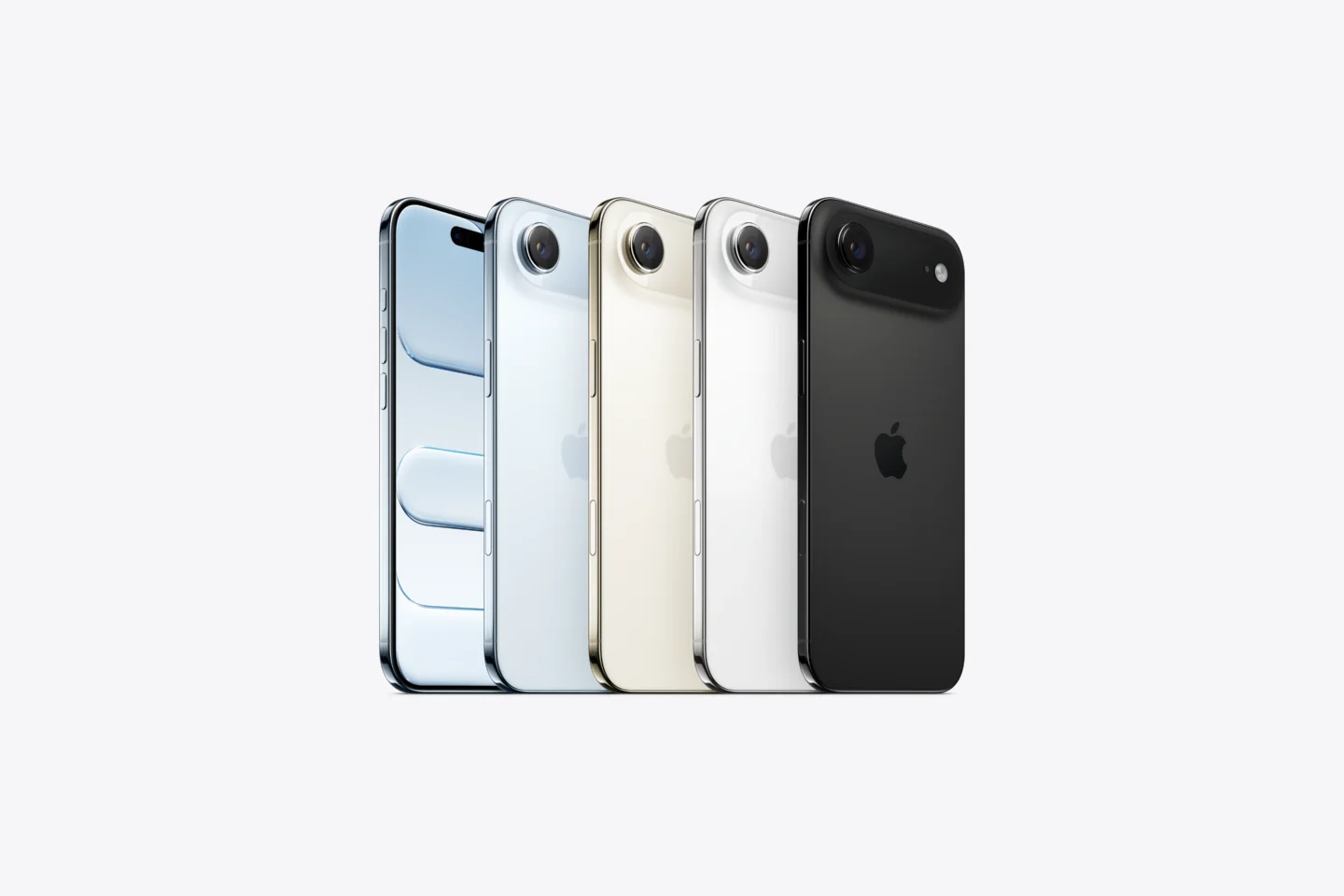
Apple’s ultra‑thin iPhone 17 Air, launched in September 2025 as the company’s slimmest‑ever smartphone, is facing a much rougher market reception than its design hype might suggest. Multiple reports indicate that sales have fallen well short of internal expectations, prompting Apple to slash production and rethink when – or even whether – a second‑generation iPhone Air should appear. While Apple has not publicly disclosed model‑specific numbers, supply‑chain signals, analyst commentary and the device’s rapidly falling resale value paint a picture of a product struggling to justify its place in the iPhone line‑up.
A Premium Design With Limited Appeal
The iPhone Air was positioned as a design showcase: an ultra‑slim, premium device sitting between the standard iPhone 17 range and the top‑end Pro models. Early reviews praised its thinness and light in‑hand feel, but also highlighted trade‑offs that became harder to ignore at a starting price of around ₹1,19,900 in India. Unlike Apple’s Pro phones, the Air ships with a single rear camera, a smaller battery and just one speaker, omissions that stand out when the iPhone 17 Pro, with triple cameras and a more complete feature set, can be had for only a modest premium in many markets.
According to reporting based on supply‑chain sources, demand for the iPhone Air has been weak enough that Apple has cut production sharply, with contract manufacturer Foxconn said to have shut down most of its dedicated Air assembly lines. Some outlets suggest Apple could stop producing the current model entirely by the end of the month, turning what was meant to be a long‑running design tier into a short‑lived experiment.
Delayed Successor: Apple Rethinks The iPhone Air Roadmap
The sales slump is already feeding into Apple’s product‑planning calculus. A report from The Information, cited by multiple technology publications, says Apple has pushed back its plans for an “iPhone Air 2,” which had originally been expected to arrive in late 2026 alongside the iPhone 18 Pro models. The revised roadmap reportedly contemplates a later debut, possibly in 2027, potentially aligned with non‑Pro models like the iPhone 18 and 18e instead of the flagships.
Such a delay would be notable. Apple typically iterates on successful iPhone variants annually, and stretching the cycle suggests that the company is unsure how – or whether – to evolve the Air concept without cannibalising other models or repeating the same missteps. Some analysts have argued that Apple may ultimately choose to fold the Air’s design cues into other tiers rather than keep it as a distinct line if the commercial case remains weak.
Pricing, Positioning And A Crowded Mid‑Premium Segment
While Apple has not broken out Air‑specific revenue in earnings, commentary around its 2025 holiday‑quarter results has repeatedly flagged “mixed performance” in certain new models and softer demand in some price bands. One clear challenge is positioning. The Air was marketed as a premium, design‑led device, yet in practice it sits in a crowded mid‑premium band where both internal and external competition is intense.
Within Apple’s own portfolio, the narrow gap between the Air and the iPhone 17 Pro means many buyers inclined to spend over ₹1 lakh simply stretch a little further for the more capable Pro variant. At the same time, Android manufacturers are pushing aggressive offerings in the ₹40,000–₹80,000 segment, with strong cameras, large batteries and high‑refresh‑rate displays, undercutting Apple’s thinnest iPhone on value terms even if they cannot match its build quality or ecosystem. In that context, the Air risks becoming a niche choice for design enthusiasts rather than a mainstream “sweet spot” device.
Resale Value: A Harsh Verdict From The Secondary Market
If the primary market hints at trouble, the secondary market makes it more explicit. Posts on user forums and price‑tracking data from resale platforms suggest that the iPhone Air has seen unusually steep early depreciation compared with recent flagship‑class iPhones. Some discussions point to drops of 30% or more within a few months of launch in certain regions, a sharper fall than that experienced by Apple’s core Pro models over similar timeframes.
While resale values can be influenced by many factors – including supply, promotions and regional demand – a faster‑than‑normal decline typically signals lukewarm long‑term desirability. For a company that has long benefited from the perception that iPhones “hold their value,” a weaker resale profile for the Air could further dampen new‑device sales, particularly among buyers who factor trade‑in prices into their purchasing decisions.
What Went Wrong With The Air – And Can Apple Fix It?
The iPhone Air’s difficulties do not stem from a single fatal flaw so much as a cluster of strategic tensions. At a time when smartphone innovation is incremental and replacement cycles are lengthening, an ultra‑thin profile alone may not be enough to convince buyers to pay near‑Pro prices for a device with visible compromises in battery life, audio and camera versatility. Apple’s broader line‑up, meanwhile, has become denser, with standard models inheriting more high‑end features and older devices staying longer in the range at lower prices, reducing the clear space for a mid‑tier “design” phone.
Looking ahead, Apple has several options. It could double down on the Air as a halo design product, but only if it can solve the perception that form has been prioritised over function at too high a cost. It might instead reposition future thin iPhones at a different price point, or bundle them with distinctive software capabilities or service offerings to better justify the premium. The company could also decide that the Air experiment has run its course and quietly sunset the line, folding lessons learned into future Pro and standard models.
For now, Apple is publicly focused on its broader iPhone portfolio and ecosystem rather than on any one underperforming device. But the fate of the Air will be watched closely by analysts, investors and design‑forward customers alike. The model’s early struggles illustrate how even the world’s most valuable tech brand can misjudge the balance between aesthetics, features and price – and how unforgiving both the market and the secondary‑resale ecosystem can be when that balance slips. Whether a reimagined iPhone Air can eventually climb back into favour, or whether the name becomes a brief footnote in iPhone history, will depend on how boldly Apple is willing to rethink the thinnest phone it has ever built.