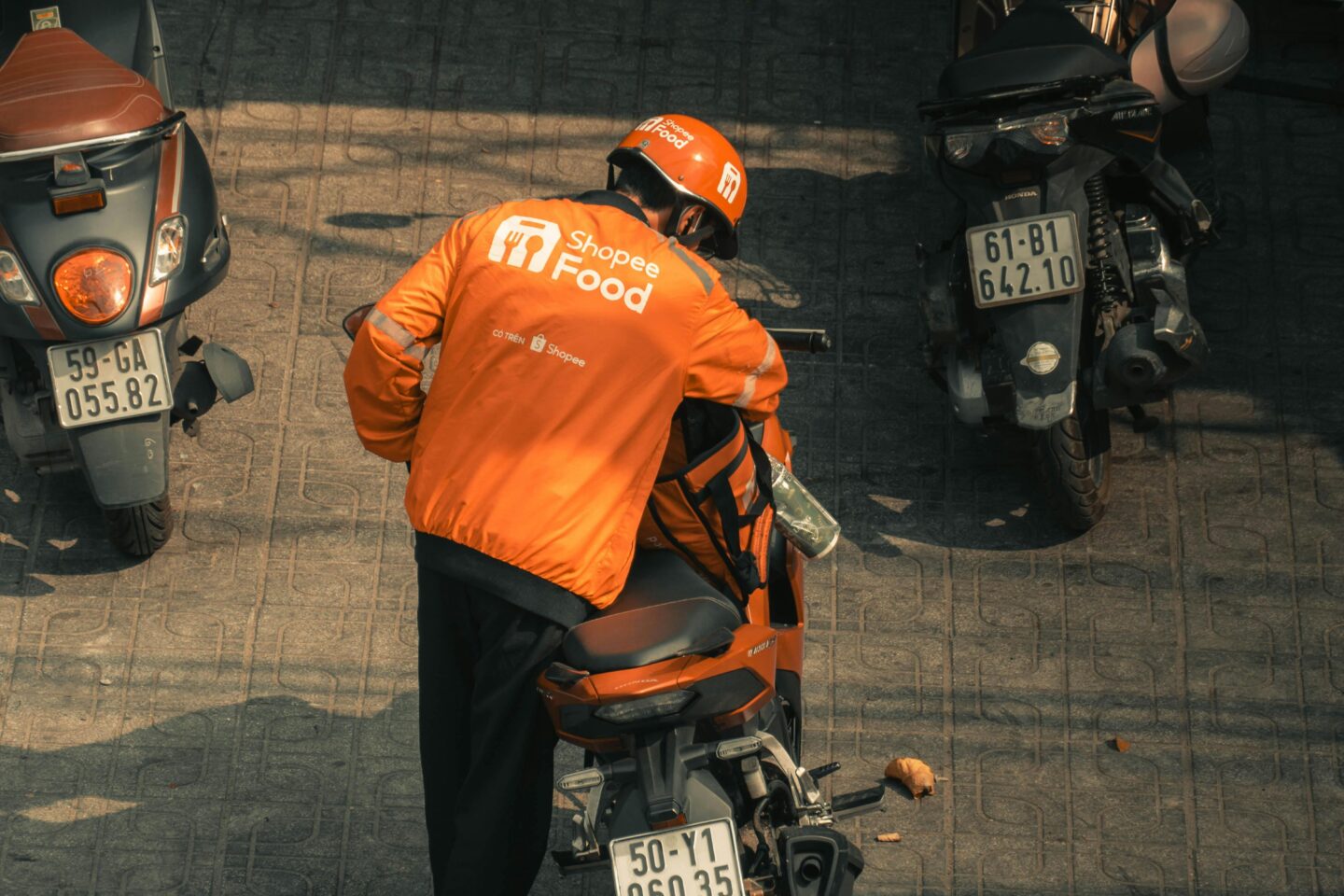
Delivery and gig workers across India are preparing for a major all‑India strike on December 31, a move that could significantly disrupt food and grocery deliveries on one of the busiest nights of the year. The action follows a flash strike on Christmas Day and is aimed at companies such as Swiggy, Zomato, Zepto, Blinkit, Amazon and Flipkart, which rely heavily on app‑based riders and shoppers to meet festive demand.
The call for the December 31 stoppage has been issued by the Indian Federation of App‑Based Transport Workers (IFAT) and the Telangana Gig and Platform Workers Union (TGPWU), along with other local collectives. Union leaders estimate that between 100,000 and 150,000 riders could participate nationwide, with the strongest impact expected in major metros and several southern cities, where quick‑commerce penetration is highest. While some earlier reports and commentaries speak of “millions” of gig workers across the sector, current strike participation estimates are in the low hundreds of thousands rather than in the millions.
Why India’s Gig Workers Are Striking Now
India’s platform economy has expanded rapidly over the past decade, driven by rising smartphone adoption, cheap data and consumer appetite for on‑demand services. For many workers, however, that growth has translated into declining per‑order payouts, long and unpredictable working hours, and a near‑total absence of traditional employment benefits.
Unions say conditions have worsened further with the rollout of 10‑minute and other ultra‑fast delivery promises, which they argue push riders to speed in unsafe traffic and weather conditions, especially at night. Workers also complain of sudden ID blocking or “algorithmic punishment” when they decline risky orders or fail to meet tightening targets, leaving them without income and with little recourse to appeal.
Shaik Salauddin, founder‑president of TGPWU and national general secretary of IFAT, has described the action as a “collective call for justice, dignity and accountability,” accusing platforms of building billion‑rupee businesses on “unsafe work models, falling incomes and total absence of social protection.” While individual WhatsApp groups and local unions have floated specific figures for minimum per‑order rates and fuel support, national coverage of the strike has so far focused more on structural demands than on a single, uniform pay formula.
Key Demands: Pay, Safety and Social Security
The core demands being highlighted by IFAT, TGPWU and allied groups are relatively consistent across cities. Riders are calling for transparent and fair pay structures that reflect distance, time and rising fuel costs; the rollback of ultra‑fast delivery models that they say endanger lives; and an end to arbitrary account suspensions without due process.
They also want meaningful social security: accident and health insurance, disability cover, maternity benefits and access to some form of pension or old‑age support. Many riders report paying out of pocket for medical treatment after road accidents or injuries sustained while rushing to meet tight delivery slots. In addition, unions are pressing for better in‑app grievance redressal, mandatory rest breaks during long shifts and recognition of gig workers’ right to organise and collectively bargain.
How the Strike Could Hit Swiggy, Zomato, Zepto and Blinkit
New Year’s Eve is typically one of the highest‑demand days for food delivery and quick‑commerce platforms, with orders often doubling or tripling in major cities. Analysts quoted in media reports suggest that a well‑supported strike by 100,000–150,000 riders could lead to order volumes falling 10–20% in key markets, and cause delays or cancellations in as many as half of all orders in some pockets, depending on how effectively platforms can reroute traffic or bring in substitute capacity.
Estimates based on recent annual reports indicate that Swiggy, Zomato, Blinkit and Zepto together generate roughly ₹127–130 crore in daily gross order value, meaning even a one‑day disruption could freeze sales worth several hundred crores across the ecosystem, although part of this may be offset by savings on delivery‑linked costs. Beyond immediate revenue, experts warn that repeated outages on peak days could damage customer trust and push users to whichever apps manage to remain operational, reshaping market share in an intensely competitive sector.
Government Response and the New Social Security Framework
The strikes come just as India’s updated social‑security framework for gig and platform workers is beginning to take shape. Under the revised Code on Social Security, which came into effect in November 2025, digital platforms and aggregators are required to contribute 1–2% of their annual turnover (capped at 5% of what they pay gig and platform workers) into a dedicated Social Security Fund. The fund is intended to finance welfare schemes such as health cover, accident insurance and maternity benefits, linked to Aadhaar‑based universal account numbers that allow workers to retain benefits even when they switch platforms.
Unions have welcomed formal recognition of gig workers in law but argue that the fund is still largely on paper and that current benefit levels fall far short of what is needed to compensate for falling real wages and rising safety risks. They are urging central and state governments to move beyond framework laws to concrete enforcement: regulating incentive structures, setting minimum standards for per‑order payouts, and actively policing unsafe delivery models during high‑risk periods such as winter nights and festive rushes.
A Stress Test for India’s Gig Economy
Whether the New Year’s Eve strike becomes a decisive turning point or another flashpoint in a long struggle will depend on how three actors respond: platforms, policymakers and the workers themselves. If companies meaningfully engage on pay transparency, safety and social security, the strike could accelerate the shift towards a more regulated, sustainable gig economy that still preserves flexibility for both workers and consumers.
If, however, the core demands are deflected or met only with short‑term incentives and account reactivations, unions warn that further flash strikes and coordinated boycotts are likely, especially around high‑revenue days when the bargaining leverage of riders is at its peak. What is already clear is that the “invisible” workforce behind India’s app‑based convenience economy is increasingly organised, vocal and unwilling to remain a silent cog in an algorithm‑driven system that, in their view, leaves them bearing all the risk for too little reward.