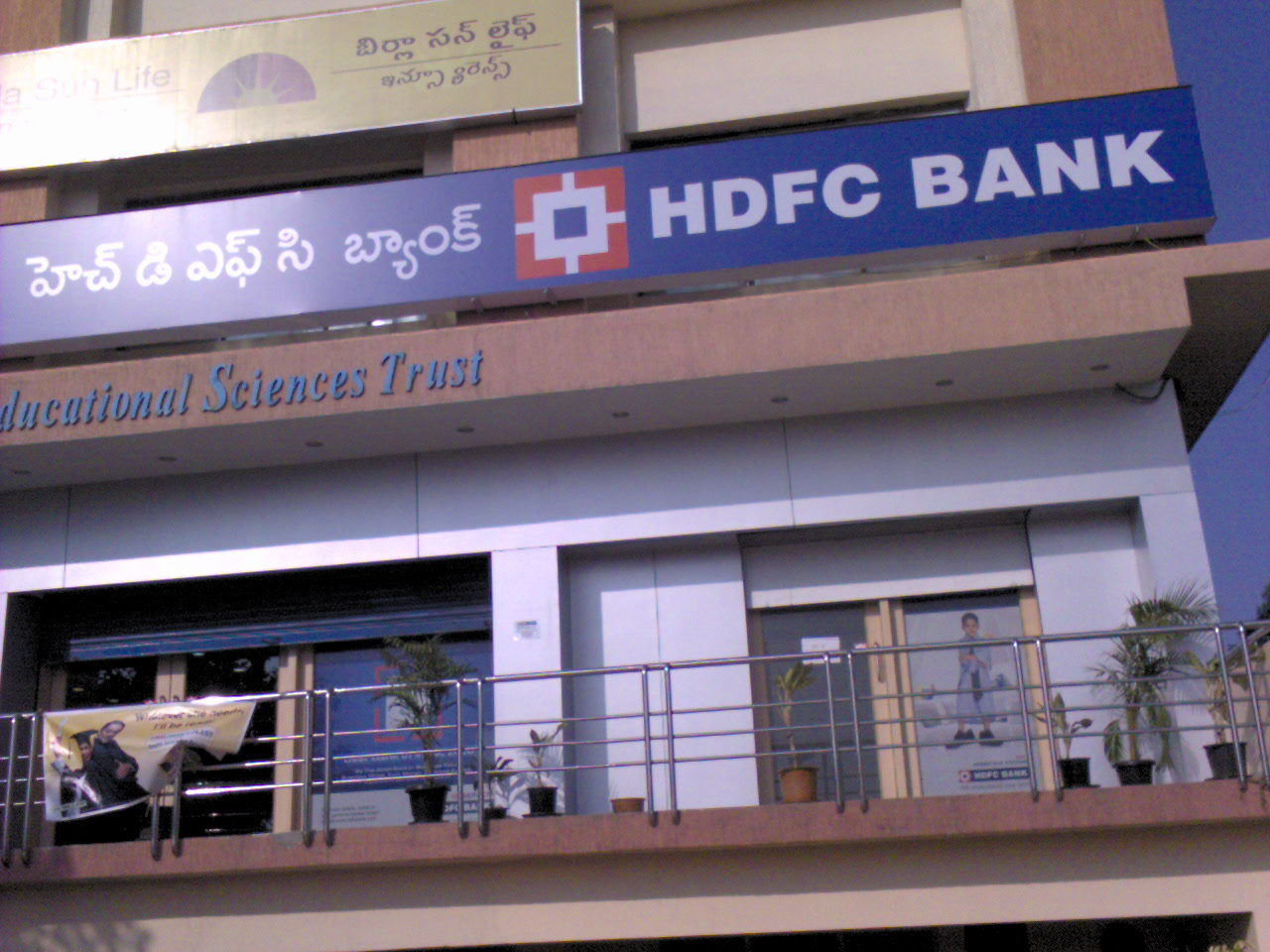
HDFC Bank has appointed domestic and international law firms to conduct an independent review of former part‑time chairman Atanu Chakraborty’s resignation, which cited unspecified “happenings and practices” misaligned with his values and ethics. The move, announced in a stock exchange filing on 24 March 2026, aims to address governance concerns that triggered a ₹1 lakh crore market cap wipeout following Chakraborty’s exit on 18 March.
HDFC Bank Chairman Exit: Atanu Chakraborty Resigns Citing Ethics Differences
Atanu Chakraborty, who served as part‑time non‑executive chairman since May 2021, resigned abruptly, stating that developments over the past two years were “not in congruence with my personal values and ethics.” His term was set to run until May 2027, making the departure the first early exit by a part‑time chairman in the bank’s history.
The Reserve Bank of India (RBI) responded swiftly by appointing Keki Mistry, former HDFC Ltd CEO, as interim chairman for three months starting 19 March, affirming the bank’s “systemically important” status, financial stability and professional management with “no material governance concerns recorded.”
HDFC Bank Hires Law Firms: Wadia Ghandy, Trilegal and US Counsel Appointed
The bank’s board approved the engagement of Wadia Ghandy and Trilegal (domestic firms) alongside a “marquee US‑based firm” to scrutinise Chakraborty’s resignation letter and related circumstances. The scope includes reviewing board meeting video recordings, minutes and agendas over the past two years to determine if governance lapses or unethical practices were raised during his tenure.
HDFC clarified that Chakraborty’s letter “did not mention any happenings or practices that were not in congruence with his personal values and ethics,” and no other material reasons were indicated beyond prior disclosures. The external firms are expected to submit a detailed report “within a reasonable timeframe” to reinforce the lender’s governance framework.
Atanu Chakraborty Allegations: Dubai Ban, Whistleblowers and Senior Accountability
Reports suggest Chakraborty’s frustration stemmed from two main issues. First, a regulatory ban on HDFC Bank’s Dubai branch by the Dubai International Financial Centre for process lapses, barring new customers until corrective action—though the bank claims it has since resolved the matter. Second, handling of whistleblower complaints and AT1 bond mis‑selling, where some executives were held accountable but Chakraborty reportedly believed senior officials escaped sufficient responsibility, leading to a management deadlock.
CEO Sashidhar Jagdishan told The Economic Times the bank is “open to fresh probe” even if new concerns emerge, pledging to “tighten design and controls” for operational issues and be “ruthless” on conduct lapses. He noted Chakraborty raised no formal issues during board meetings, emphasising established processes for concerns.
HDFC Bank Shares Fall 12%: Market Reaction to Chairman Resignation
Chakraborty’s exit announcement on 19 March triggered a 12% share price plunge, erasing nearly ₹1 lakh crore in market value in a single session—the steepest fall since the 2023 HDFC merger. Shares have since rallied modestly following the probe announcement and RBI’s endorsement of stability, with the bank reaffirming no impact on operations or financials.
Analysts view the independent review as a proactive governance signal, though some caution that prolonged uncertainty could weigh on sentiment amid post‑merger integration challenges.
Governance Probe: HDFC Bank CEO Backs Thorough Review Process
Jagdishan emphasised multiple board meetings to reassess past decisions “without hesitation,” positioning the probe as transparent and independent. The filing underscores HDFC’s commitment to “robust standards,” with the review reinforcing investor confidence in its post‑merger structure as India’s largest private lender.
RBI’s quick interim appointment of Mistry signals regulatory comfort, but the central bank may monitor outcomes closely given HDFC’s systemic importance.
Atanu Chakraborty Background: From RBI Secretary to HDFC Chairman
Chakraborty, a former Secretary of Economic Affairs and head of the Department of Investment and Public Asset Management (DIPAM), joined HDFC Bank’s board in 2021. He played a pivotal role overseeing the $40 billion HDFC Ltd merger in 2023, creating a financial services behemoth with assets over ₹25 lakh crore.
His expertise in public finance and disinvestment made him a key independent director, amplifying the weight of his ethics‑based resignation.
Implications: What the HDFC Chairman Probe Means for Investors
The review could clarify whether Chakraborty’s concerns reflect isolated frictions or deeper issues in post‑merger governance, decision‑making or compliance (e.g., Dubai, whistleblowers). A clean report would bolster HDFC’s reputation; adverse findings could prompt executive changes or regulatory scrutiny.
For investors, the episode highlights risks in leadership transitions at mega‑banks, though RBI backing and the probe’s transparency have stemmed panic selling. Strategists recommend monitoring the law firms’ timeline and any RBI commentary, while viewing dips as potential buying opportunities in a fundamentally strong franchise.
HDFC Bank Next Steps: Board Meetings, Report Timeline and RBI Oversight
The board plans multiple meetings to dissect past agendas, with external counsel leading the fact‑finding. No fixed deadline is public, but “reasonable timeframe” suggests weeks, not months.
Jagdishan’s “ruthless” stance on conduct signals zero tolerance if lapses emerge, aligning with RBI’s emphasis on ethical banking post‑merger. As India’s private banking leader navigates this episode, the probe’s outcome will shape perceptions of its governance gold standard amid rapid growth.