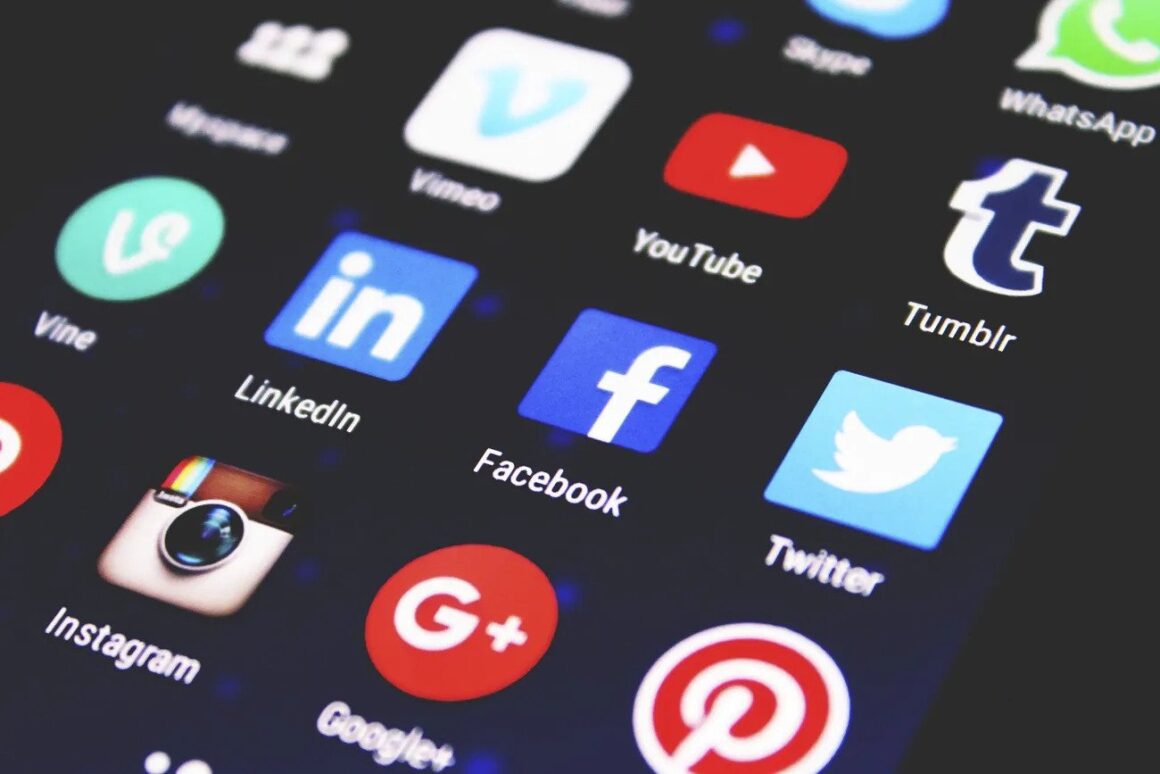
Mounting concerns over the addictive nature of social media and its risks to children’s mental health and exposure to harmful content are driving Spain and Greece to propose bans on teen access to these platforms. Prime Minister Pedro Sánchez announced Spain’s plan to prohibit social media use for those under 16, while a senior Greek government source indicated a similar restriction for children under 15 is imminent. These moves align with a hardening European stance, following Australia’s pioneering under-16 ban and similar considerations in Britain and France, as governments worldwide scrutinize the impact of excessive screen time on young users’ development and wellbeing.
The proposals come amid broader frustration with tech platforms’ practices, including inadequate safeguards against harmful content, algorithmic amplification of dangerous material, and failures to enforce age limits effectively. Sánchez, speaking at the World Governments Summit in Dubai, declared that children are exposed to a “digital Wild West” they were never meant to navigate alone, vowing that Spain “will no longer accept that” and will protect them through decisive action. Greece’s initiative similarly prioritizes shielding minors from risks like cyberbullying, misinformation, and addictive designs that prioritize engagement over safety.
Rising Momentum for Youth Protections
Spain’s under-16 ban would integrate into an existing parliamentary bill on digital protections for minors, mandating robust age-verification systems—beyond mere checkboxes—such as government IDs or telecom partnerships, while imposing personal liability on executives for hate speech, algorithmic manipulation, and illegal content amplification. Prosecutors are already probing potential violations by platforms like TikTok, Instagram (Meta), and Elon Musk’s Grok AI chatbot over issues including non-consensual sexual images, some involving minors. Greece’s under-15 measure remains in early drafting but echoes these priorities, potentially including enhanced parental controls and media literacy mandates.
Public support is strong, with an Ipsos survey showing 82% of Spaniards favoring bans for under-14s, up from 73% in 2024, and parents welcoming clearer rules to counter peer pressure and constant connectivity. Early results from Australia’s ban, which deactivated nearly 5 million teen accounts in weeks, suggest such policies can enforce real change, though critics worry about circumvention via VPNs and enforcement challenges.
Backlash from Tech Leaders and Political Dissent
The announcements have drawn sharp criticism from tech figures, with Elon Musk blasting the proposals as overreach that stifles free expression. Major platforms including Meta, TikTok, Snapchat, X, and Google have not yet commented directly on Spain or Greece but have opposed similar Australian rules, arguing unreliable age verification could drive users to unregulated spaces. In Spain, far-right Vox party spokesperson Pepa Millán decried the measures as censorship to preserve official narratives.
Sánchez countered by announcing Spain’s “Coalition of the Digitally Willing” with five unnamed European partners to pursue cross-border enforcement, emphasizing that online harms transcend borders and require unified action under frameworks like the EU’s Digital Services Act. While platforms claim ongoing improvements in moderation and safety tools, advocates like Spain’s ANAR Foundation argue self-regulation falls short, and national laws are essential to empower parents and hold tech accountable.
Broader Ramifications for Platforms and Users
If enacted, these bans could reshape digital habits in both nations, spurring shifts to encrypted messaging apps like Telegram or Signal, boosting privacy-focused alternatives, or reviving local networks. For tech giants, the revenue hit in these markets—though not the largest—could set precedents rippling across Europe and beyond, amplifying calls for executive accountability and algorithmic transparency.
Young users like Madrid student Miguel Abad, 19, see upsides in encouraging real-world play over phone obsession, but teens fear isolation from friends and global information flows. Policymakers stress complementary steps like digital literacy programs to foster safe navigation without total exclusion. As Spain tables its bill next week and Greece advances, these developments signal Europe’s determination to prioritize child safety over unchecked platform dominance, potentially heralding stricter EU-wide rules in the years ahead.