Tesla has renamed its Full Self-Driving (Supervised) software Tesla Assisted Driving on its European websites, as the company seeks regulatory approval for the system across the region. The change follows criticism from Germany’s transport ministry that the previous name could mislead drivers about the system’s capabilities.
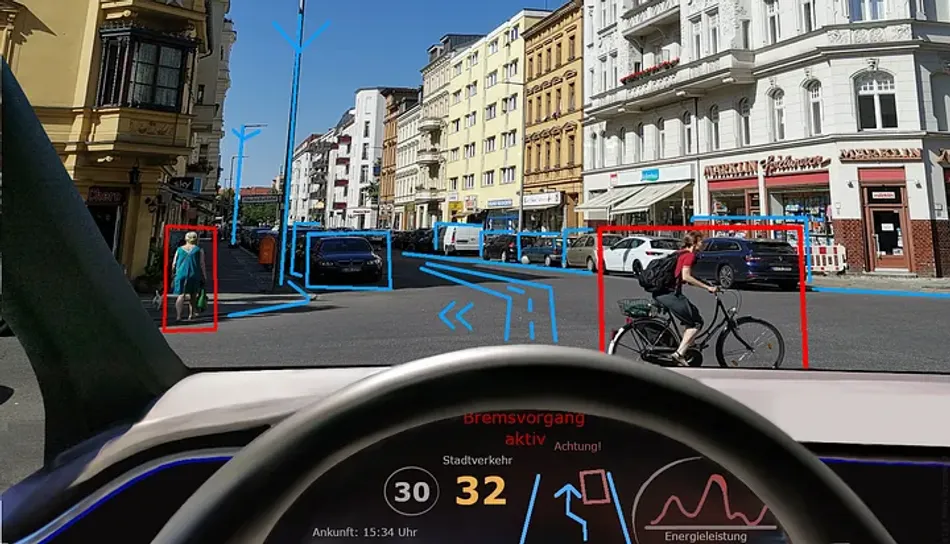
The rebranding does not mean Tesla cars can drive themselves. The system remains a driver-assistance feature: drivers must stay attentive, monitor the road and be ready to take control.
Why Tesla Changed the Name in Europe
Tesla’s European websites began using the name Tesla Assisted Driving, or TAD, in place of Full Self-Driving (Supervised). Germany’s Transport Ministry said Tesla had offered to change the name after discussions with the company, describing the previous wording as “somewhat misleading.”
The concern is that “Full Self-Driving” may suggest that the car can complete a journey without human supervision. Germany’s ministry said the system does not take over the entire driving task. It can assist with tasks such as steering, braking and accelerating, but the driver must remain attentive.
The change concerns the software’s European branding. It does not, by itself, alter the system’s capabilities or establish that regulators have approved it across the European Union.
Tesla Assisted Driving Still Requires Driver Supervision
Despite its new name, Tesla’s system remains a supervised driver-assistance system, not autonomous driving. Drivers are still responsible for safe vehicle operation and must be prepared to intervene.
That distinction is central to the dispute over the old name. Regulators and consumer-protection officials in Europe have questioned whether “Full Self-Driving” adequately communicates the level of driver involvement required. Tesla has added “Supervised” to the name in some markets, but the European rebrand makes “Assisted Driving” the headline description on the company’s sites.
EU-Wide Approval Is Still Pending
Tesla is seeking broader approval for the software, but the change in terminology should not be mistaken for EU-wide clearance. The system has been permitted in a number of individual European countries, while a decision covering the bloc as a whole remains pending.
Reuters reported that eight EU countries already allowed the system, with Slovakia expected to become the ninth. Separately, an anticipated EU vote was delayed from October, with December identified as the next apparent opportunity. The approval process involves technical and regulatory questions; the schedule and outcome remain uncertain.
Country-level permissions and EU-wide approval are distinct. A change to Tesla’s marketing language does not automatically extend the software’s legal status in any country.
What the Rebrand Means for Tesla
The name change addresses a specific concern raised by German officials as Tesla pursues approval. Germany’s transport minister said the company had offered to adopt “Tesla Assisted Driving” following discussions with the ministry. Reuters reported that the minister would support efforts to secure broader European approval, but that does not mean such approval has already been granted.
For Tesla, the decision may help clarify the system’s limits for European customers and regulators. It also highlights a wider issue for the car industry: names for advanced driver-assistance features can shape what buyers expect, especially when the technology still requires continuous human supervision.
A Branding Change, Not a Self-Driving Breakthrough
The key takeaway is that Tesla has changed the name, not the nature of the system. Tesla Assisted Driving continues to require an attentive driver, and European regulators have not yet granted EU-wide approval.
The change may remove one obstacle in Tesla’s approval campaign, but the company still faces the wider task of demonstrating that the software meets relevant technical and safety requirements. Until regulators complete that process, the rebrand should be understood as a change in how Tesla presents the feature—not as confirmation that its cars can operate without human oversight.