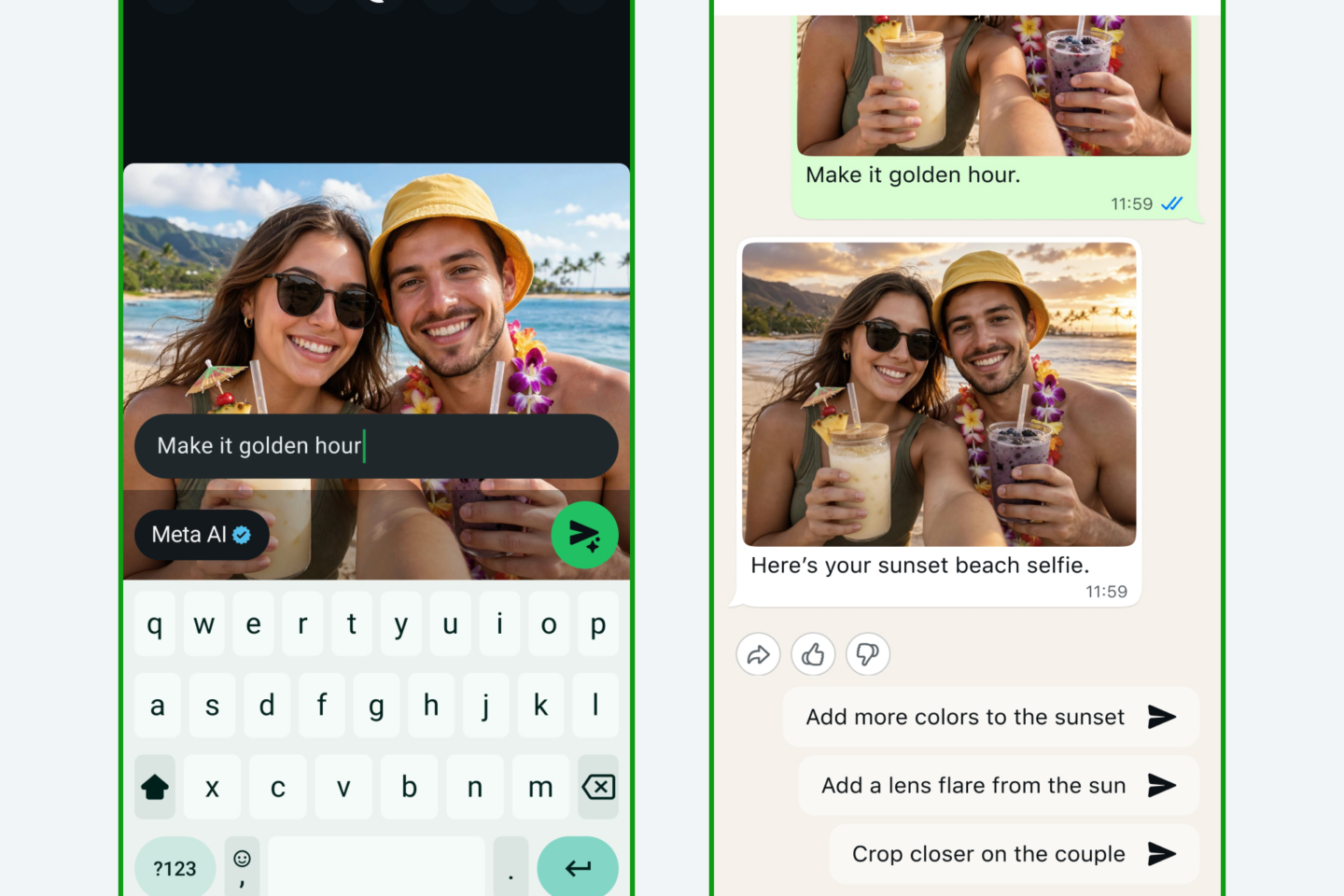
Meta has rolled out Muse Image, its first image-generation model from Meta Superintelligence Labs, expanding generative AI tools across Instagram, WhatsApp and Meta AI. The launch marks a significant step in Meta’s push to compete more directly in AI-powered image creation, while also opening the door to new creator and advertiser tools.
Meta Muse Image Launch
Meta says Muse Image is now available in Meta AI and is being integrated into Instagram Stories and WhatsApp, with Facebook and Messenger support expected later. The company describes it as a model built to understand complex prompts, combine multiple photos and generate editable images that can be shared directly in chats, stories and feeds. Reuters reported that the system is intended to power both consumer-facing creation and commercial creative tools.
The new model is part of Meta’s broader AI strategy under Meta Superintelligence Labs. CNBC said the tool is designed to attract creators and advertisers by making image generation more deeply embedded across Meta’s ecosystem. Meta’s official blog says Muse Image is the company’s first image generation model from the lab and is already live in Meta AI.
Instagram And WhatsApp Integration
One of the most notable aspects of the rollout is how quickly Meta is weaving Muse Image into its core social apps. On Instagram, the model will power more than 30 new AI effects for Stories, while WhatsApp users in select countries will be able to generate images through direct chats with Meta AI. Meta says the feature will expand to more countries and later reach Facebook and Messenger.
That integration matters because it turns AI image generation from a separate tool into a built-in social feature. Users will be able to start from prompts, use photos as inputs, and edit generated images using sketches or annotations. In practical terms, Meta is turning its apps into AI-native spaces for both casual users and creators.
Free Use And Subscription Limits
Meta says everyday creation with Muse Image will be free through Meta AI, but heavier use and certain advanced features will sit behind subscription plans. CNBC reported that power users and creators will need one of Meta’s monthly plans once they go beyond free limits. That means the rollout is not just a product launch; it is also part of Meta’s monetization strategy.
The company is clearly betting that casual users will try the feature for free, while creators and advertisers will pay for more intensive access. Reuters noted that this structure supports Meta’s larger effort to commercialize generative AI across its platforms. It also positions Muse Image as both a consumer feature and a business tool.
Meta Advertising And Brand Tools
Muse Image is also being tied directly to advertising. Meta says the model will power AI features in its Advantage+ creative tools, helping advertisers generate and adapt image assets more efficiently. The company says brands will be able to create multiple image variants and adjust existing creatives using the model.
That commercial layer is central to why the launch matters beyond social media users. Meta is effectively bringing image generation in-house for both organic content and paid campaigns. For advertisers, this could speed up creative production; for Meta, it could deepen dependence on its ad ecosystem.
Muse Video Preview
Alongside Muse Image, Meta also introduced an early preview of Muse Video, its new video-generation model. The company says Muse Video can generate videos with sound and is aimed at improving prompt adherence, visual fidelity and temporal consistency. Meta has not yet made Muse Video broadly available, but says it is coming soon to Meta AI.
The video preview suggests that Meta is building a broader family of generative media tools rather than a single image product. If Muse Image is the first public step, Muse Video appears to be the next phase in Meta’s AI media roadmap. That wider strategy could reshape how users create content across Meta’s platforms.
Privacy And Controversy
The launch has not been without controversy. TechCrunch reported concern over a feature that may allow users to use public Instagram content as reference material for AI-generated images, raising questions about consent and control. The Verge also highlighted that the model can pull other Instagram users into AI photos, which has intensified debate around privacy and image use.
Meta says users can control whether their public content can be used in this way and that settings are available to disable such use. But the controversy shows how quickly AI image generation collides with social media privacy norms. As Meta expands these tools, the company will likely face continued scrutiny over user consent, content rights and the boundaries of AI-assisted creation.
Why It Matters
Muse Image shows how aggressively Meta is embedding AI into its core apps, not just as a side feature but as a central product layer. The company is now using AI to serve individual users, creators and advertisers at the same time. That makes the launch an important signal for the future of social media, where image generation may become as routine as posting a photo.
The bigger picture is that Meta is trying to own both the creative workflow and the distribution channel. If Muse Image succeeds, users may increasingly create, edit and share AI-generated visuals without ever leaving Instagram, WhatsApp or Meta AI. That would make the company’s AI ecosystem even more central to how people communicate online.