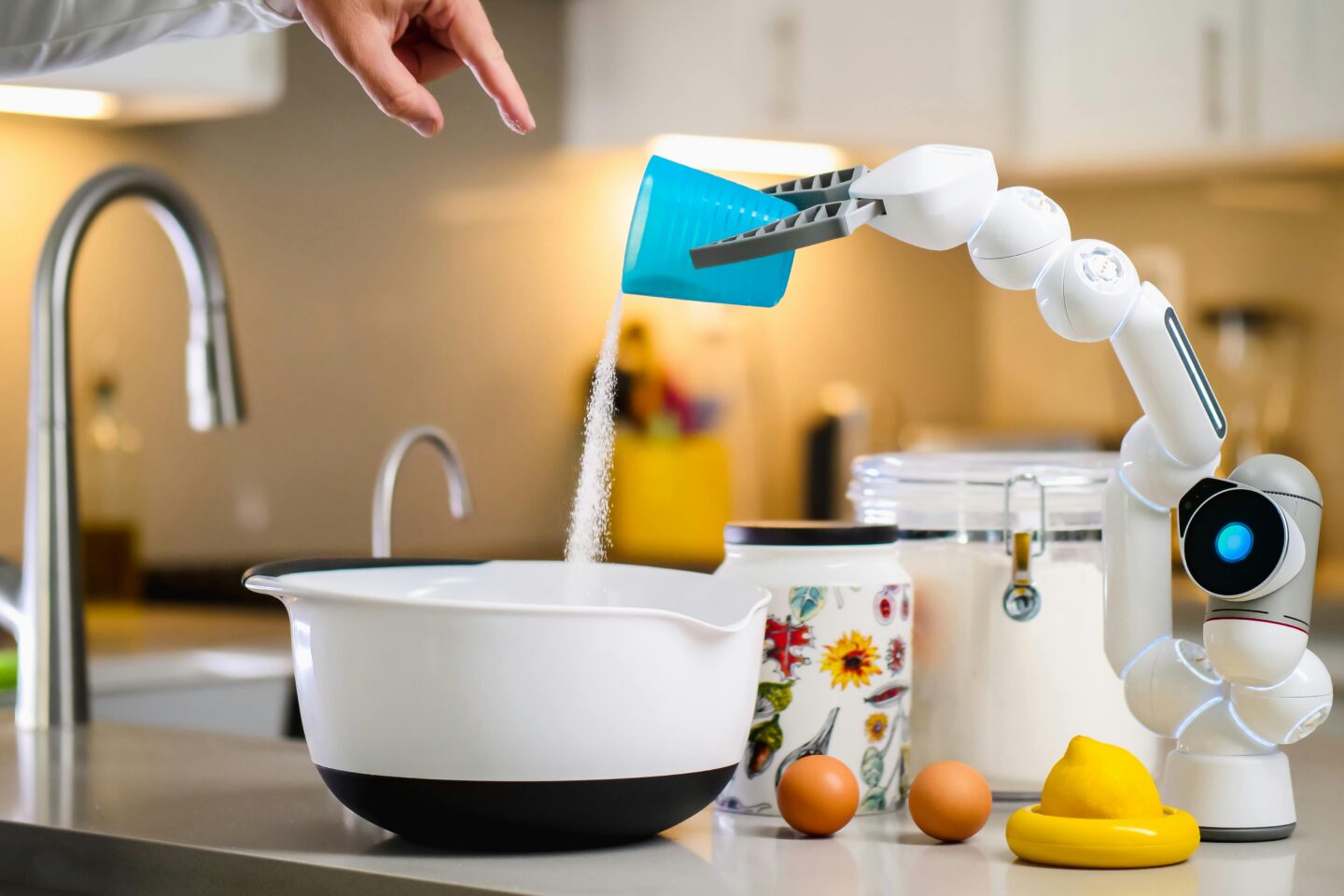
The dream of a robot chef – autonomously chopping, stirring and serving – is no longer distant fantasy. Devices like Xiaomi’s Smart Cooking Robot, with its 35 functions, 3D induction heating and AI‑driven recipes, signal a wave of kitchen automation entering homes worldwide. These machines promise precision and convenience, but as AI cooking robots proliferate, they invite scrutiny over their broader ripple effects on jobs, ethics, safety and sustainability.
AI Cooking: Automation’s Promise Meets Everyday Realities
Xiaomi’s Smart Cooking Robot exemplifies the category’s ambitions. Equipped with a high‑power switched reluctance motor (40–12,000rpm), CookingIoT algorithms and an 8‑inch touchscreen loaded with 200+ recipes, it handles stir‑frying, steaming, grinding and more in one unit. Accessories enable multi‑dish cooking – three mains plus soup simultaneously – while precise weighing (1g accuracy) and adaptive temperature control up to 180°C minimise guesswork. Similar devices from Posha and Nosh focus on meal‑prep workflows, using AI for ingredient recognition and recipe execution.
For time‑strapped households, the appeal is clear: consistent results without constant supervision, freeing mental energy for other tasks. A family dinner that once demanded 45 minutes of active cooking shrinks to prep‑and‑press. At prices likely under premium appliances, these robots offer a cheaper alternative to hiring a personal chef, democratising “professional” outcomes.
Job Displacement: From Line Cooks To Algorithmic Efficiency
Yet efficiency extracts costs. In professional kitchens, AI robots could displace entry‑level roles focused on repetitive prep – chopping, stirring, portioning – where human variability is often a bug, not a feature. Restaurants already experiment with robotic fryers and assemblers; scaling to home units might accelerate this, pressuring wages or headcounts in food service. Globally, the OECD estimates AI could affect 27% of jobs in food prep and hospitality, though new roles in robot maintenance or custom recipe design might emerge.
For home users, the shift is subtler: less reliance on meal‑kit services or takeout, potentially eroding demand for delivery drivers and cooks. The net effect hinges on adoption speed and reskilling – a cheaper chef alternative today could mean fewer culinary career ladders tomorrow.
Ethical And Privacy Questions In The Pantry
Ethical dilemmas simmer beneath the surface. These robots train on vast recipe datasets, often scraped from creators without explicit consent, raising IP questions akin to AI art controversies. Xiaomi’s CookingIoT learns from global inputs, but opacity around data sources invites scrutiny: whose family recipes fuel the algorithms? Connected features – app syncing, voice control – log usage patterns, potentially profiling dietary habits for advertisers, though Xiaomi claims standard protections.
Sanitation poses another hurdle. While self‑cleaning modes rinse pots and accessories, deep crevices in motors or blades risk bacterial buildup if not manually scrubbed. Safety interlocks prevent burns, but high‑speed blades demand childproofing, and induction heating requires compatible cookware. Unlike a human chef’s intuitive pauses, robots follow code – a software glitch mid‑stir could overheat or undercook undetected.
Environmental Trade‑Offs: Efficiency Versus E‑Waste
Sustainability cuts both ways. Precise cooking retains nutrients and reduces waste through exact portions, and multi‑functionality cuts appliance clutter. But manufacturing motors, screens and sensors demands rare earths and plastics, while constant electricity for heating outpaces gas stoves in some metrics. Lifespan matters too: planned obsolescence in smart devices accelerates e‑waste, and non‑repairable components exacerbate the cycle. A robot saving time today might burden landfills tomorrow.
Time Savings At What Cost?
These robots undeniably save time – 30–60 minutes per meal – and deliver reliable basics cheaper than a sous‑chef. Yet “worth it” depends on priorities. For precision obsessives or allergy‑conscious families, the consistency outweighs quirks. For sensory purists, the lack of improvisational flair – adjusting salt by taste, say – feels sterile. Reddit threads capture the divide: enthusiasts hail liberation from drudgery; sceptics question if flawless execution erodes the ritual of cooking.
In reshaping kitchens, AI cooking robots force a reckoning: convenience versus craft, efficiency versus humanity. They won’t eliminate stoves soon, but as costs drop and capabilities grow, they challenge what – and how – we value food preparation. The revolution simmers; whether it nourishes or displaces remains an open question.